Water Management and Forestry: How Bluffside Protects and Enhances Watershed Ecosystems May 03, 2026
Understanding the Relationship between Forests and Watersheds
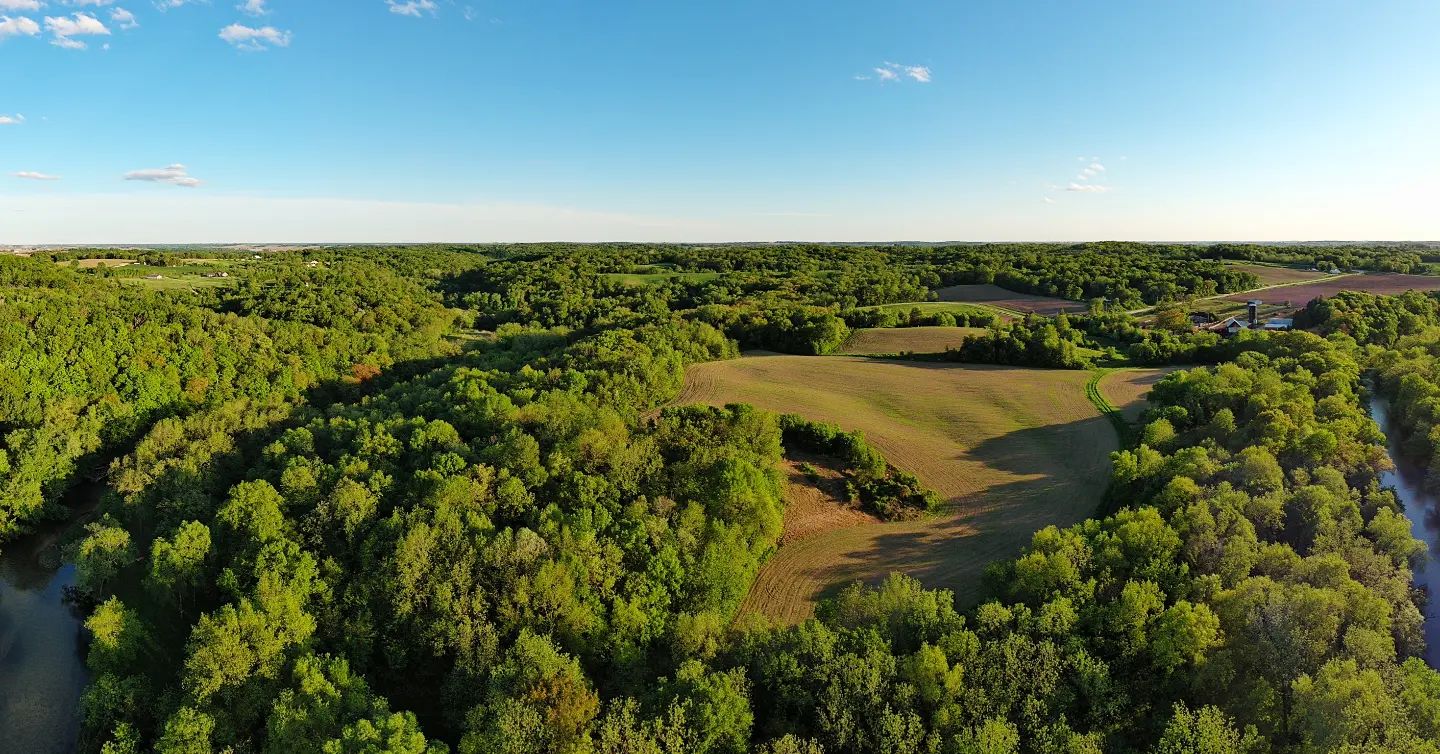
Forests are nature’s water towers, helping to regulate the flow of rivers and streams. They play a vital role in filtering pollutants, storing carbon, and promoting biodiversity. Crucially, forests contribute to the hydrological cycle by intercepting rainfall, facilitating groundwater recharge, and preventing soil erosion. At Bluffside Forestry, our approach to water management is deeply informed by this interplay between trees and water. Through strategic interventions, we strive to maintain this balance and foster healthy watershed ecosystems.
Bluffside’s Approach to Water Management
Our comprehensive water management strategies integrate scientific research with practical forestry expertise. The core of our methodology at Bluffside Forestry begins with understanding the local ecosystem. We conduct detailed assessments to evaluate the unique characteristics of each watershed, paying close attention to factors such as topography, soil composition, and existing vegetation.
Managing water effectively starts with preserving and enhancing natural cover. By planting native tree species and managing invasive plants, we ensure that the forest remains robust and capable of supporting diverse life forms. This not only helps in regulating water flow but also in minimizing the risks of landslides and floods, which are critical concerns in many areas.
Erosion Control and Soil Management
Soil management is another critical component of our water management strategy. Healthy soil is the foundation of any thriving ecosystem. Bluffside Forestry employs erosion control measures, such as constructing terraces and installing bioengineering solutions, to reduce soil displacement. These strategies not only stabilize the land but also contribute to water quality by reducing sediment runoff into streams and rivers.
Enhancing Biodiversity for Better Water Management
Biodiversity is a vital part of our efforts to manage watersheds effectively. A diverse plant and animal population contributes to the resilience of forest ecosystems, making them better equipped to handle environmental stressors. At Bluffside, we focus on encouraging habitats that foster diverse wildlife, which in turn supports a balanced ecosystem and promotes efficient water cycling.
Community Involvement and Education
At Bluffside Forestry, we believe that community involvement is key to successful water management. Education and outreach are integral to our strategy. We regularly engage with local communities, offering workshops and informational sessions to raise awareness about the importance of forest conservation and water management. Empowering individuals with knowledge allows them to make informed decisions that contribute to the health of their local watersheds.
Concluding Thoughts
Water management is an ongoing process that requires dedication and a deep understanding of natural systems. At Bluffside Forestry, we are committed to safeguarding forest ecosystems and enhancing water resources through sustainable forestry practices. Our strategies aim not only to protect but to enhance the vital watershed ecosystems upon which so many communities and wildlife depend. By aligning conservation efforts with scientific research and community engagement, we hope to ensure a thriving and resilient environment for generations to come.
/filters:no_upscale()/filters:format(webp)/media/a3b19f47-292e-4b00-b740-40dfe2381139.jpeg)