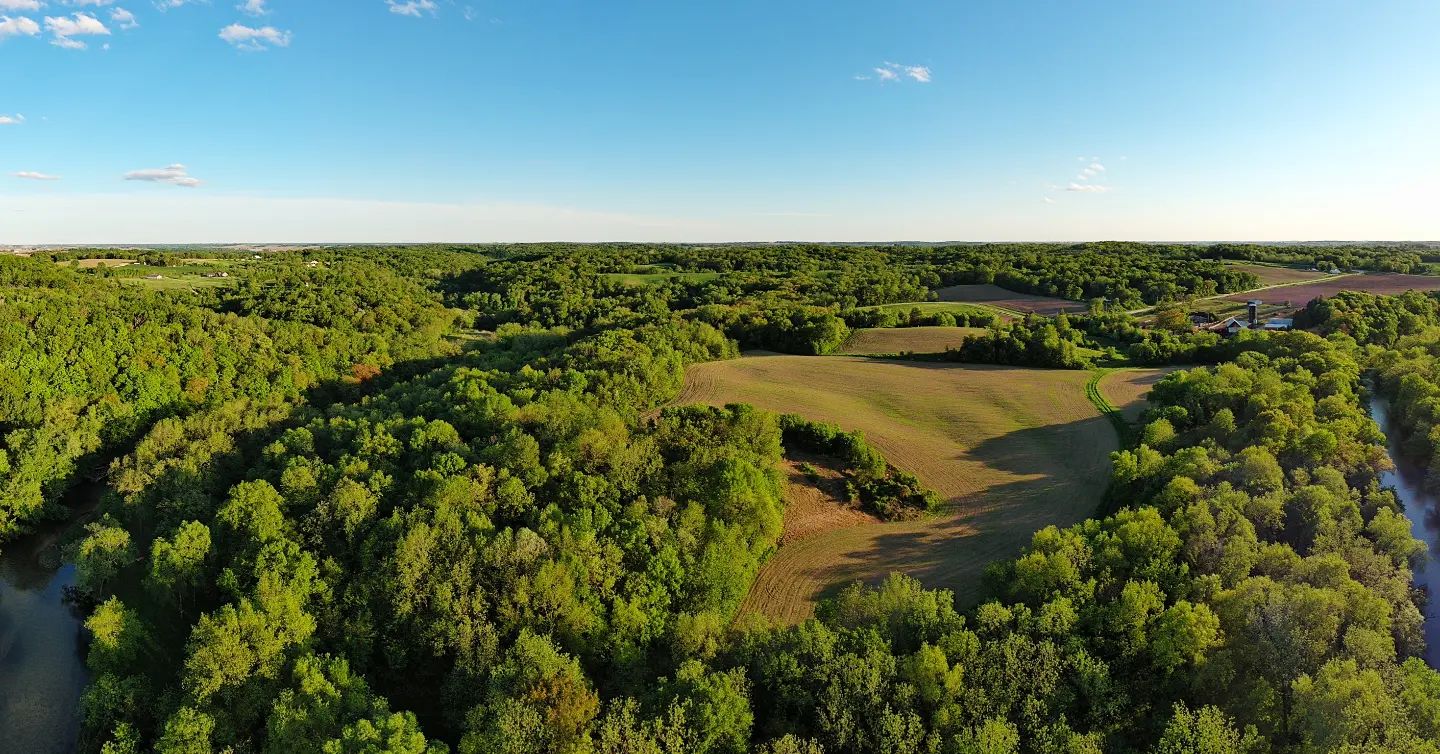
Beyond the Canopy: Bluffside Forestry's Integrative Approach to Wildfire Resilience Mar 05, 2026
The starting point of Bluffside Forestry’s approach is comprehensive risk assessment. By evaluating various factors that contribute to wildfire risks, such as vegetation type, forest density, and weather patterns, Bluffside can identify high-risk areas in need of immediate attention. This proactive assessment allows the company to tailor specific interventions, thereby minimizing potential fire hazards before they escalate.
Once risk assessment is complete, Bluffside implements strategic forest thinning operations. Unlike clear-cutting, forest thinning involves selectively removing trees to reduce dense stands and promote healthier forest dynamics. This process not only lowers the potential fuel load for fires but also encourages healthier tree growth by reducing competition for resources. The result is a forest that is more resilient to natural calamities and better supports flora and fauna diversity.
Another critical component of Bluffside Forestry's strategy is controlled burning. Also known as prescribed or planned burns, this method is carefully orchestrated to mimic natural fire cycles. Controlled burns help manage undergrowth, recycle nutrients, and prevent larger, unmanageable wildfires from sparking. Conducted under optimal conditions with strict oversight, these burns are valuable tools in maintaining ecological balance while enhancing wildfire resilience.
Bluffside Forestry also places a significant emphasis on community engagement and education. Understanding that effective wildfire management extends beyond immediate firefighting, Bluffside involves local communities in their efforts. Through workshops and informative sessions, they educate landowners and residents about preventive measures and emergency preparedness. This knowledge empowers individuals and communities to take proactive steps in safeguarding their properties and lives.
Technology plays a pivotal role in Bluffside’s approach to wildfire resilience. By utilizing advanced tools such as satellite imagery and drone surveillance, Bluffside Forestry can monitor forest conditions in real-time. These technologies provide critical data that inform better decision-making and allow for prompt response actions when potential threats arise. Additionally, Bluffside invests in state-of-the-art firefighting equipment and training for their crew, ensuring they are prepared to tackle any wildfire scenario effectively.
The commitment to fostering partnerships is another hallmark of Bluffside Forestry's resilience strategy. Collaborating with government agencies, environmental organizations, and other stakeholders, Bluffside seeks to develop holistic solutions to wildfire challenges. These partnerships leverage shared expertise and resources, enabling more robust and multifaceted approaches to forest and wildfire management.
In conclusion, Bluffside Forestry's integrative approach to wildfire resilience is a testament to their dedication to preserving nature and ensuring public safety. By combining risk assessment, strategic forest thinning, controlled burns, community involvement, technology use, and collaborative efforts, Bluffside not only mitigates the threat of wildfires but also contributes to healthier and more sustainable forest ecosystems. For those concerned about forest health and wildfire prevention, Bluffside Forestry offers a blueprint for how forestry services can play a crucial role in turning the tide against increasingly prevalent wildfires, benefiting both the environment and local communities for generations to come.
/filters:no_upscale()/filters:format(webp)/media/a3b19f47-292e-4b00-b740-40dfe2381139.jpeg)