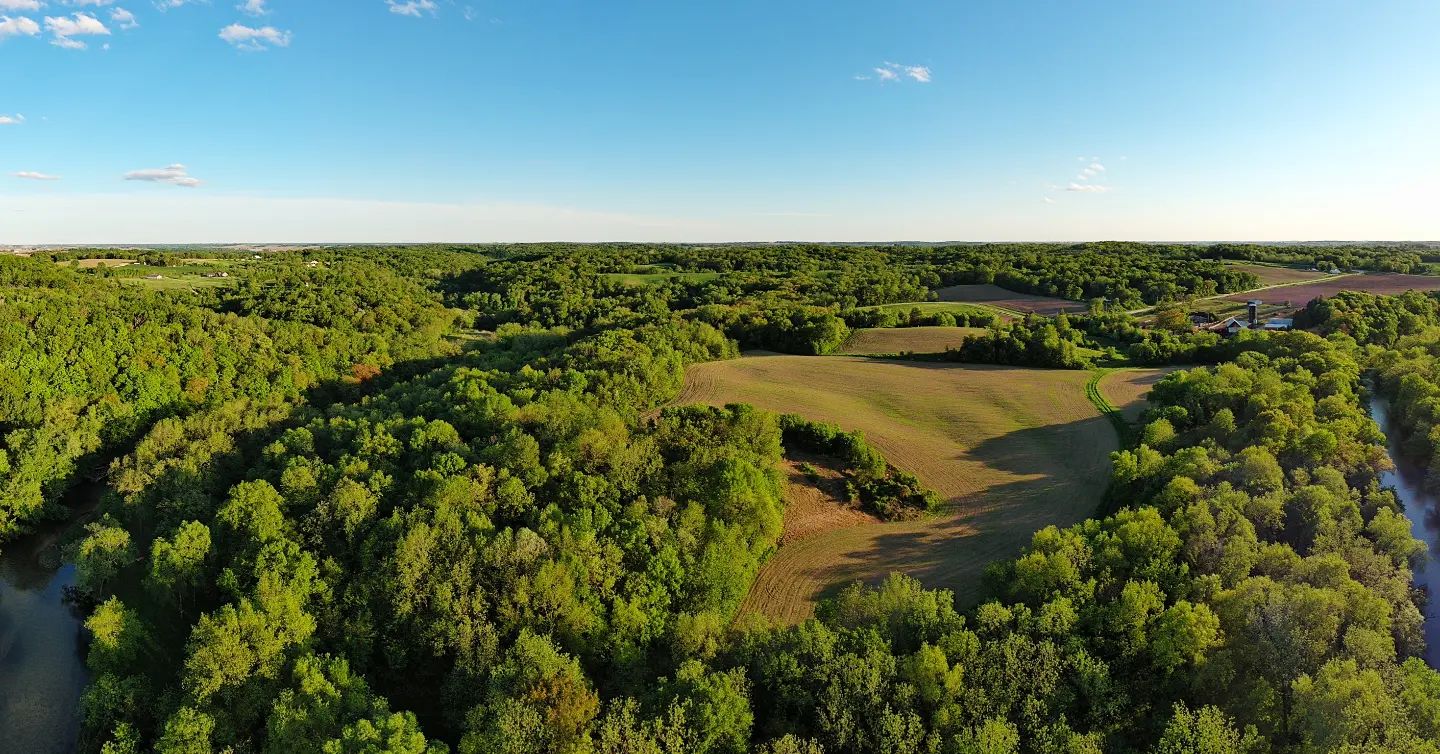
Bluffside Forestry: Championing Habitat Restoration for Endangered Species Feb 06, 2026
Forests are more than just collections of trees; they are dynamic ecosystems that support myriad forms of life. However, human activities such as deforestation, urban expansion, and climate change are undermining these habitats. At Bluffside Forestry, we recognize the urgency of our mission. Our habitat restoration projects are designed not only to re-establish healthy forests but also to cater to the specific needs of endangered species that call these places home.
To achieve successful habitat restoration, Bluffside Forestry employs several key strategies. Our first step is conducting thorough ecological assessments. By understanding the existing environmental conditions and the specific requirements of the targeted species, we can tailor our restoration efforts for maximum impact. This involves meticulously selecting the appropriate native plant species that will provide food and shelter, thus restoring the natural balance of these areas.
Restoring a forest involves more than just planting trees. Bluffside Forestry takes a holistic approach, focusing on creating a resilient habitat capable of supporting diverse wildlife. Soil health restoration is one of our critical components. Healthy soil not only supports robust plant growth but also sustains microorganisms vital for ecosystem functions. By implementing erosion control measures and employing organic soil amendments, we aim to revive the forest floor as the foundation for regrowth.
Community involvement is another cornerstone of our restoration philosophy. Bluffside Forestry fosters partnerships with local communities, educating them on the importance of conservation and the long-term benefits of biodiversity. Engagement initiatives, such as volunteering opportunities and educational workshops, empower residents to actively participate in restoration efforts, promoting a culture of stewardship and awareness.
The results of our efforts speak for themselves. Many of the restored areas see the return of species previously on the brink of disappearance. These positive changes are not only beneficial for wildlife but also provide enhanced ecosystem services that humans rely on, such as air purification, water filtration, and carbon sequestration.
In tackling the challenge of habitat restoration, Bluffside Forestry is continually researching and applying innovative solutions. Technological advancements in remote sensing allow us to monitor forest recovery and evaluate the progress of restoration projects with precision, informing adjustments and enhancing outcomes.
For Bluffside Forestry, the work doesn't end once a project is completed. Long-term maintenance and monitoring are essential to build resilience against future threats. By conducting follow-up assessments and implementing adaptive management strategies, we ensure the sustained health of restored habitats.
Bluffside Forestry is proud to lead the charge in habitat restoration for endangered species. Our commitment extends beyond immediate environmental fixes to fostering a future where forests can thrive independently, supporting a rich diversity of life. By prioritizing ecological health and community engagement, we hope not only to restore ecosystems but to inspire a collective movement towards global conservation.
The success of initiatives like these hinges on collaborative efforts. As supporters of Bluffside Forestry, you have the opportunity to make a profound impact. Join us in championing these vital efforts to protect and restore our earth's precious habitats.
/filters:no_upscale()/filters:format(webp)/media/a3b19f47-292e-4b00-b740-40dfe2381139.jpeg)