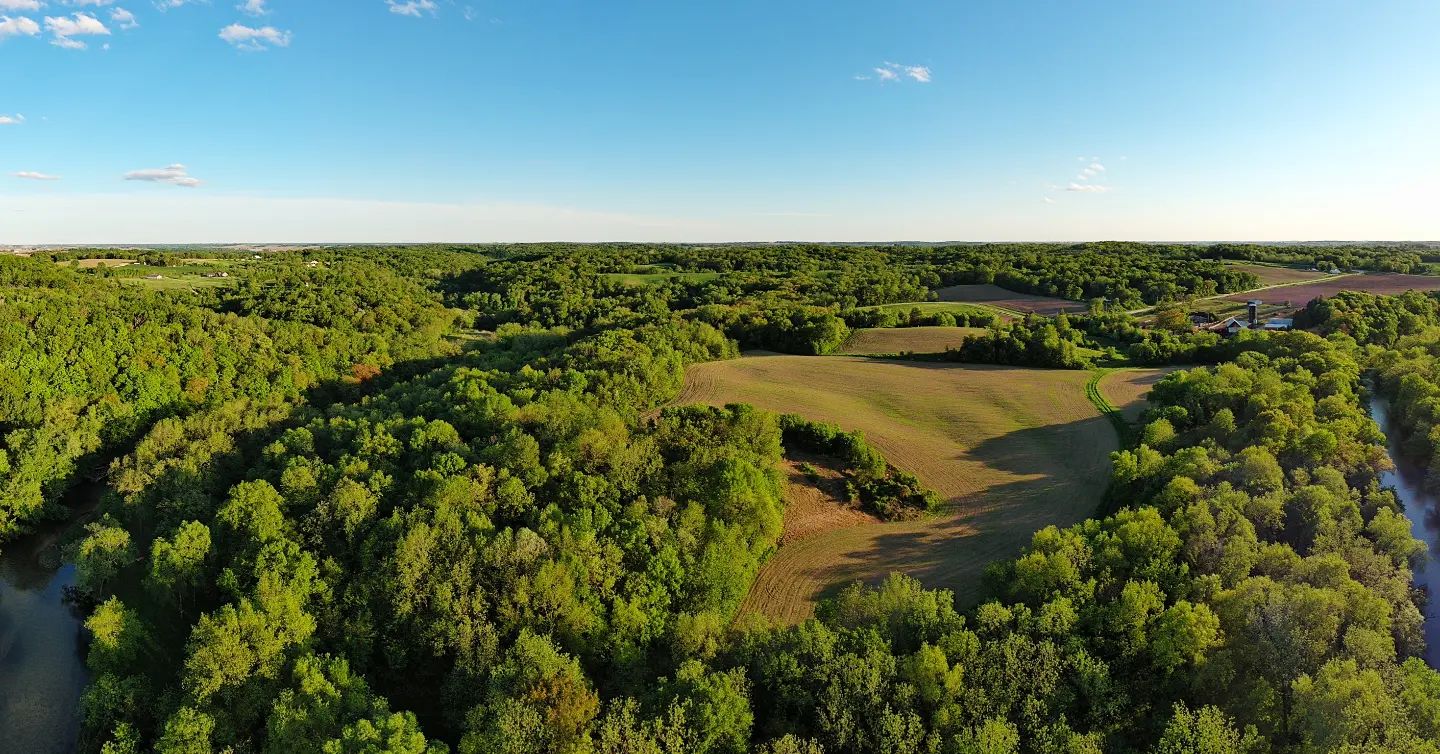
Bluffside Forestry’s Climate Adaptive Practices: Preparing Forests for Shifting Conditions Mar 11, 2026
The implications of climate change are vast and complex, affecting not only the trees but also the myriad of wildlife that depend on these ecosystems. Adapting forestry practices to mitigate these changes involves a comprehensive understanding of both immediate and long-term environmental impacts. Bluffside Forestry is at the forefront, integrating climate-adaptive techniques ensuring forests remain resilient and dynamic.
One of the critical aspects of climate-adaptive forestry is diversifying tree species. Historically, forests have been sometimes populated with monocultures, trees of a single species that can be devastatingly vulnerable to disease and climate variation. Bluffside Forestry is promoting biodiversity, planting a mix of native species that can adapt better to environmental stresses. This biodiversity helps create a stable and resilient ecosystem, reducing the impact of pests and diseases that thrive under warmer conditions.
Moreover, Bluffside Forestry is focused on soil health as a foundational component of forest vitality. Healthy soil not only supports robust tree growth but also acts as a carbon sink, helping to mitigate the effects of climate change. Techniques such as reduced-impact logging, mulching, and the use of biochar ensure that the soil remains productive and conducive to absorbing more carbon. This approach significantly enhances the forest's ability to cope with changing weather patterns.
Water management is another crucial area where Bluffside Forestry is leading the way. As rainfall patterns become more erratic, the ability of a forest to manage water efficiently becomes paramount. Bluffside is employing strategies such as creating buffer zones around water bodies, installing permeable pathways, and enhancing riparian vegetation, which help manage runoff and maintain groundwater levels. These measures ensure that forests have the necessary water resources to survive prolonged droughts or sudden deluges.
Community involvement is a cornerstone of Bluffside Forestry's climate adaptation strategy. The company believes that sustainable forestry practices must integrate the knowledge and participation of local communities. By educating communities about the impact of climate change and involving them in conservation efforts, Bluffside fosters a sense of stewardship, ensuring these practices are maintained and respected over time.
In conclusion, Bluffside Forestry's climate adaptive practices are vital to preparing forests for shifting conditions. By prioritizing biodiversity, enhancing soil health, improving water management, and embracing community partnerships, they are setting an example for forestry services worldwide. These efforts will not only help mitigate the effects of climate change but also ensure that future generations can enjoy the myriad benefits provided by healthy, thriving forests.
As we navigate these uncertain times, Bluffside Forestry remains committed to innovation and sustainability, proving that with the right practices, our forests can continue to flourish despite the challenges posed by a changing climate. This proactive approach ensures that the beauty and benefits of these natural resources endure, securing their place in our planet's future ecosystem.
/filters:no_upscale()/filters:format(webp)/media/a3b19f47-292e-4b00-b740-40dfe2381139.jpeg)