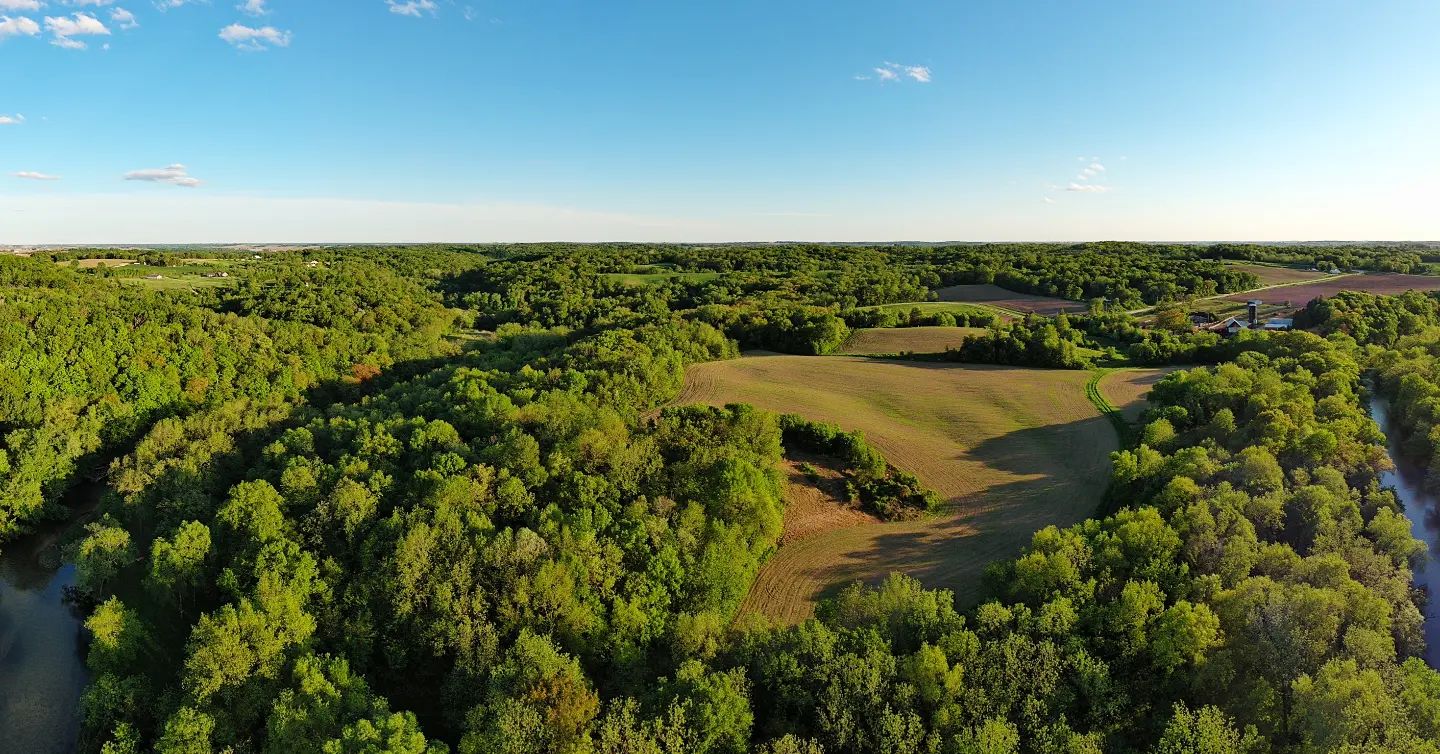
Bluffside Forestry's Role in Combating Forest Fragmentation: Strategies for Landscape Connectivity Jun 15, 2026
Forest fragmentation results in smaller patches of habitat, isolating animal populations and disrupting ecological processes. By bridging these fragmented landscapes, Bluffside Forestry not only fosters biodiversity but also strengthens ecosystem resilience. Here's how Bluffside Forestry is taking meaningful steps to combat this issue.
The first strategy employed by Bluffside Forestry involves creating wildlife corridors. These corridors are continuous tracts of forest or natural vegetation that connect separated forest patches. By establishing these pathways, Bluffside Forestry provides safe passage for wildlife, allowing species to move freely among habitats. This increased movement mitigates the negative impacts of inbreeding and enhances genetic diversity, ensuring healthier and more resilient wildlife populations.
Another vital approach used by Bluffside Forestry is sustainable forest management. This practice involves careful planning and monitoring of forest resources to maintain and enhance biodiversity while meeting human demands for forest products. By adopting sustainable management practices, Bluffside Forestry ensures that ecosystems remain robust and capable of supporting diverse wildlife, even as they provide resources like timber and non-timber forest products.
Bluffside Forestry also recognizes the critical role of education and community involvement in combating forest fragmentation. The company actively engages with local communities to raise awareness about the importance of landscape connectivity. Through workshops and educational programs, Bluffside Forestry empowers communities to participate in conservation efforts, fostering a collective responsibility towards maintaining healthy ecosystems.
In addition to these community-focused initiatives, Bluffside Forestry collaborates with various stakeholders, including government agencies, non-profits, and landowners. By working together, they develop comprehensive land-use plans that prioritize landscape connectivity. These partnerships allow for more effective and coordinated efforts across large areas, amplifying the impact of conservation initiatives.
To support and validate their efforts, Bluffside Forestry employs cutting-edge research and technology. By using Geographic Information System (GIS) tools and remote sensing, they can monitor forest conditions and evaluate the success of their strategies. This data-driven approach allows for fine-tuning of practices and ensures that interventions are having the desired effect on forest connectivity.
In conclusion, Bluffside Forestry is at the forefront of combating forest fragmentation through innovative and integrative strategies. Their commitment to creating wildlife corridors, implementing sustainable management practices, engaging communities, collaborating with stakeholders, and leveraging technology manifests in meaningful contributions to landscape connectivity. These efforts not only support biodiversity but also fortify ecosystems against the pressures of modern development.
Through these initiatives, Bluffside Forestry exemplifies the crucial role responsible forestry services play in conserving our planet’s forests. By enhancing connectivity and fostering stewardship among various stakeholders, they ensure that our forests remain vibrant, diverse, and capable of providing for current and future generations.
/filters:no_upscale()/filters:format(webp)/media/a3b19f47-292e-4b00-b740-40dfe2381139.jpeg)