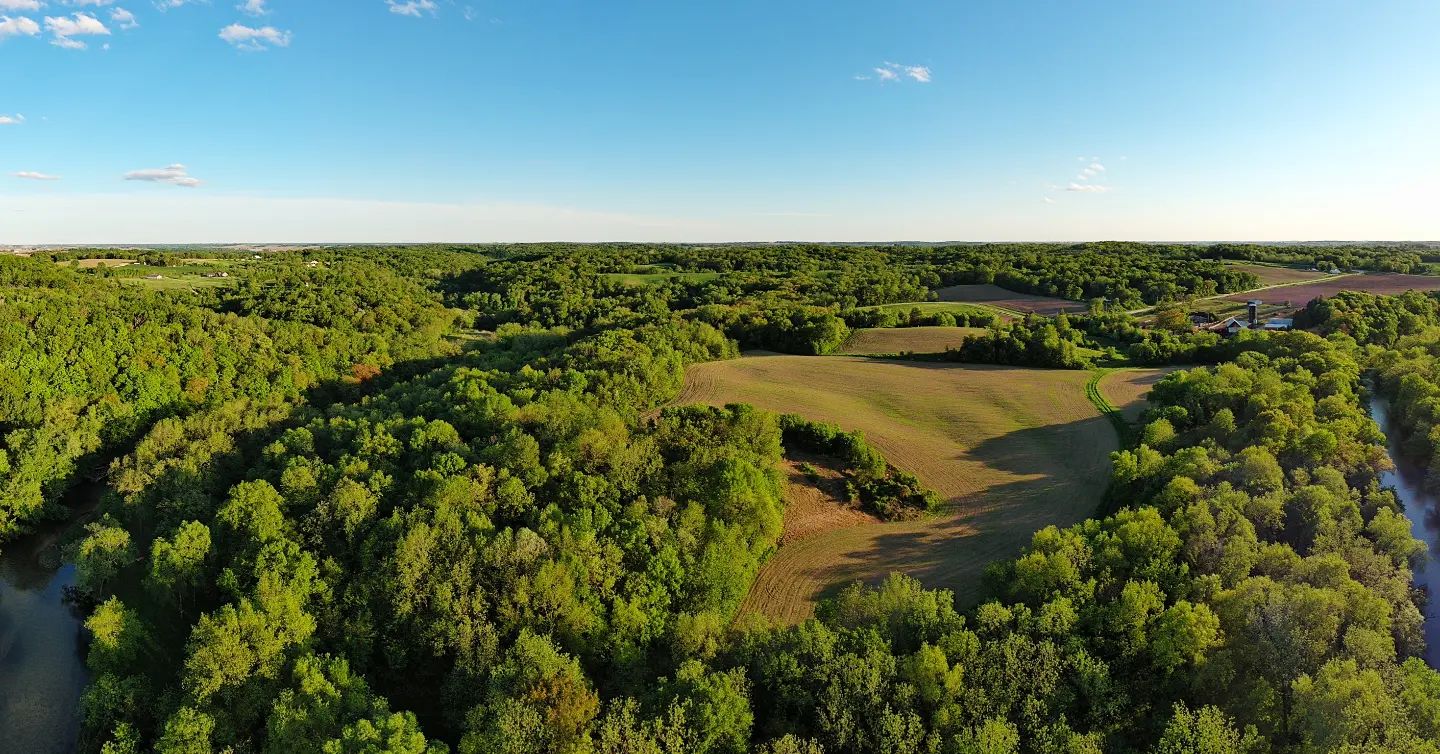
Bluffside Forestry's Role in Enhancing Soil Health and Forest Stability Feb 18, 2026
Soil health is the foundation of any thriving forest, and Bluffside Forestry understands this well. Healthy soil is rich in organic matter and teeming with microorganisms that facilitate the cycling of nutrients vital for tree growth. By implementing strategies that enhance soil health, Bluffside Forestry not only aids in the growth of healthy trees but also stabilizes the forest environment. Improved soil conditions result in increased resilience against drought, erosion, and other environmental stresses, ensuring that forests stand strong against the challenges posed by climate and human activities.
One of the primary techniques employed by Bluffside Forestry to enhance soil health is forest floor management. This involves the strategic planning of forest activities such as selective logging and controlled burns, which help maintain the nutrient-rich forest floor. By carefully managing the organic material that falls to the ground—such as leaves, branches, and decomposed plants—Bluffside Forestry ensures that these materials are recycled back into the soil, enriching it with essential nutrients.
Another important practice is the implementation of reforestation and afforestation projects. This not only assists in replenishing tree cover and restoring deforested areas but also enhances soil structure and fertility. Tree roots help to bind the soil, reducing erosion and improving water retention, which is essential for maintaining forest stability during dry spells. Bluffside Forestry's commitment to planting a diverse range of native species further supports biodiversity and ecosystem resilience.
Bluffside Forestry is also a proponent of agroforestry practices. By integrating trees into agricultural land, nutrients are cycled more efficiently while also providing shade and windbreaks that protect the soil from erosion. Agroforestry systems promote the interaction between different plant species, enhancing soil fertility and fostering microbial activity. This innovative approach not only benefits forestry but also supports sustainable agricultural practices, offering a win-win for both forests and farmland.
Moreover, Bluffside Forestry places great emphasis on monitoring soil health through regular assessments. Soil testing helps determine nutrient levels, pH balance, and the presence of beneficial microorganisms. By continuously evaluating soil conditions, Bluffside Forestry can make informed decisions on how to adapt their management practices to support optimal forest health.
In conclusion, the efforts of Bluffside Forestry in enhancing soil health and forest stability are vital for the long-term sustainability of forest ecosystems. Their comprehensive approach, which includes forest floor management, reforestation, agroforestry, and diligent soil monitoring, reflects their dedication to preserving the natural environment while supporting community needs.
For those interested in learning more about how forestry can be managed sustainably while enhancing soil health, Bluffside Forestry is a shining example of innovation and commitment in the field. By prioritizing soil health and stability, they are not only fostering more resilient forests but are also playing a crucial role in the global effort to combat environmental challenges. Bluffside Forestry exemplifies how thoughtful, sustainable practices can lead to thriving forests and a healthier planet.
/filters:no_upscale()/filters:format(webp)/media/a3b19f47-292e-4b00-b740-40dfe2381139.jpeg)