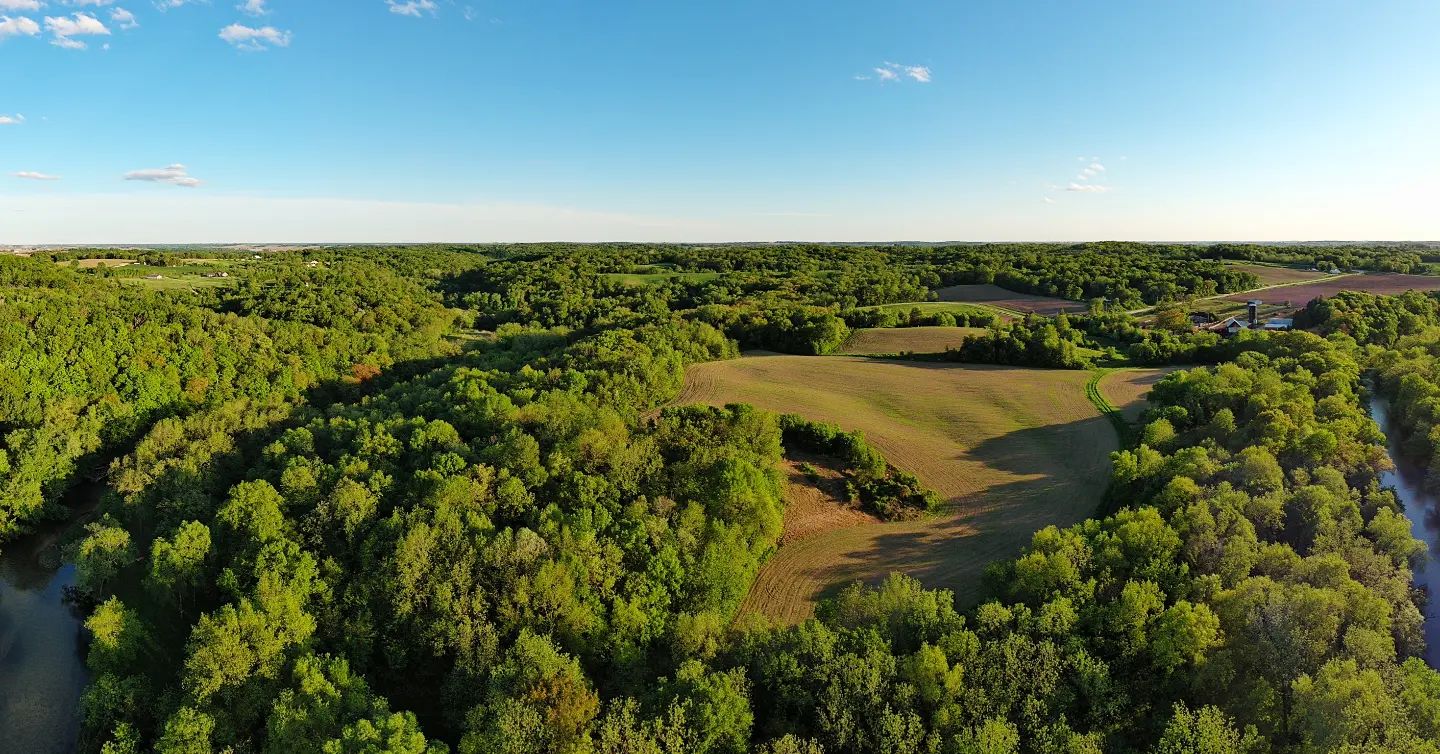
Building Biodiversity: Bluffside Forestry’s Strategies for Enhancing Ecosystem Complexity Mar 17, 2026
Bluffside Forestry stands at the forefront of this initiative, implementing innovative strategies to boost ecosystem complexity and maintain ecological balance. Understanding that rich biodiversity contributes to resilient forest ecosystems, the team at Bluffside employs various techniques tailored to different terrains and environmental conditions.
One of Bluffside Forestry’s primary strategies includes the careful selection and management of native plant species. Native plants are essential as they are well-adapted to local climatic and soil conditions, requiring less water and fewer fertilizers. They provide habitat and food sources for local wildlife, promoting a thriving ecosystem. Bluffside conducts rigorous assessments to identify the most suitable native species for reforestation projects, ensuring they contribute positively to the habitat.
Another effective method used by Bluffside is the creation of strategic wildlife corridors. These corridors are designated strips of land that allow wildlife to move safely between different areas of habitat. By facilitating free movement, Bluffside enhances genetic diversity among wildlife populations and reduces the risks of local extinctions. These corridors also link larger ecosystems, enabling increased ecosystem resilience against external pressures such as climate change.
Bluffside Forestry also emphasizes the importance of integrating mixed-species plantings. Unlike monocultures, which can be highly vulnerable to pests and diseases, mixed-species forests are more resilient. They mimic natural forests more closely, leading to improved soil health, better water management, and greater pest resistance. By encouraging a variety of species, Bluffside can create a more stable and productive forest environment.
Additionally, Bluffside is committed to soil health improvement as a foundation for robust biodiversity. Healthy soil is vital for plant growth and contributes to carbon sequestration, mitigating climate change. Through practices such as reduced tillage, and organic compost applications, Bluffside works to enhance soil structure and fertility, ensuring a sustainable base for robust plant and animal life.
Public engagement and education are also part of Bluffside Forestry’s efforts to boost biodiversity. By involving local communities in conservation efforts and educating them about the importance of biodiversity, Bluffside fosters a sense of shared responsibility. These educational programs empower communities to participate in reforestation efforts and sustainable land management practices.
Ultimately, Bluffside Forestry’s approaches to enhancing biodiversity underscore the profound interdependence of species and their habitats. By promoting biodiversity, they are not only safeguarding the environment but also ensuring the forests they manage continue to thrive for future generations.
In conclusion, Bluffside Forestry’s dedication to building biodiversity highlights the importance of preserving ecosystem complexity. Through native planting, wildlife corridors, mixed-species strategies, soil health improvement, and community engagement, Bluffside is leading the way in forestry service innovation. As we move towards a future where the health of our planet is paramount, their pioneering methods serve as a testament to the critical role biodiversity plays in creating resilient, sustainable forests.
/filters:no_upscale()/filters:format(webp)/media/a3b19f47-292e-4b00-b740-40dfe2381139.jpeg)