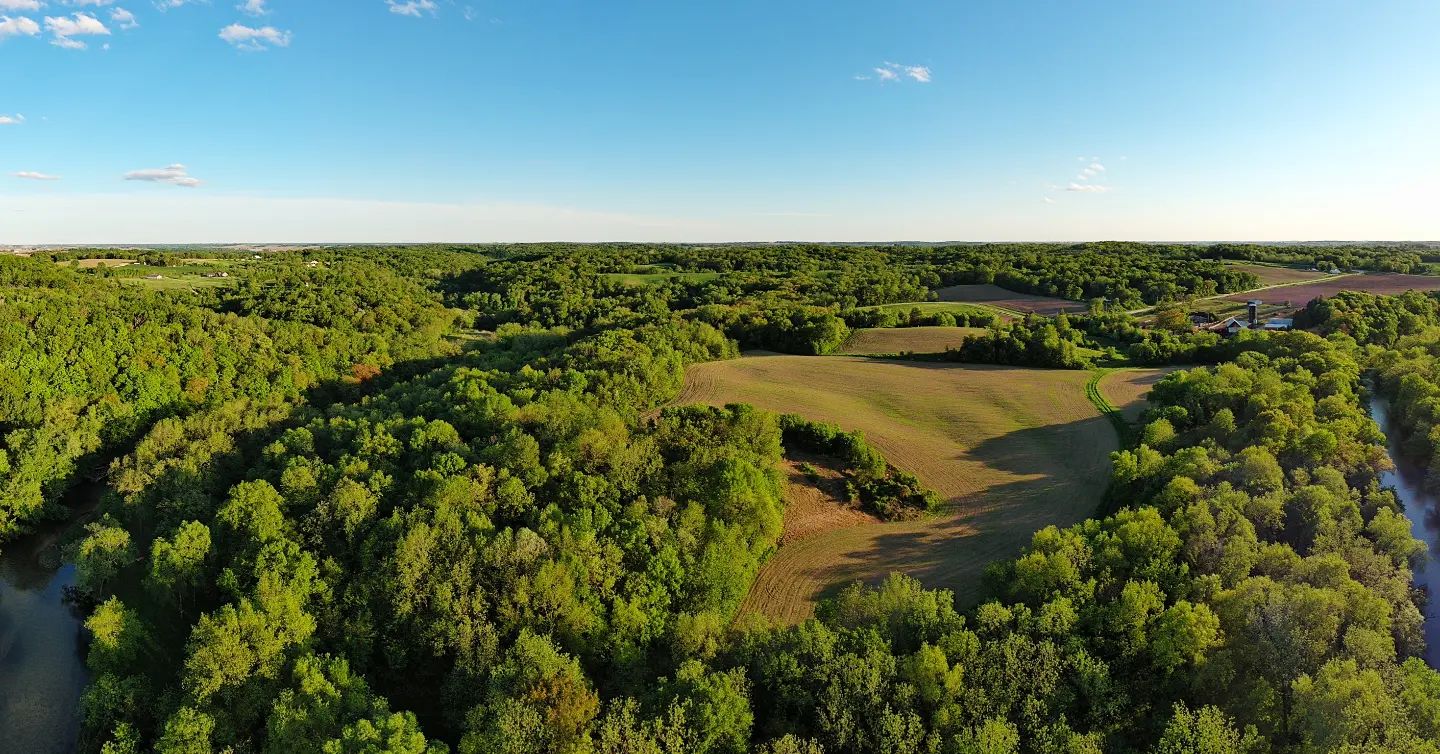
Climate Resilience and Forest Management: Strategies Employed by Bluffside Forestry Dec 17, 2025
Forests play an essential role in combating climate change by absorbing carbon dioxide from the atmosphere. However, as climate patterns shift, forests face increased vulnerabilities, including pests, diseases, and wildfires. Bluffside Forestry recognizes these challenges and places a strong emphasis on adaptive management strategies. By employing a combination of monitoring, data analysis, and predictive modeling, they are able to tailor their efforts to the specific needs of each forested area. This approach ensures that interventions are proactive rather than reactive, allowing forests to thrive even in the face of adversity.
A key strategy employed by Bluffside Forestry is the diversification of tree species within a given area. This practice enhances the resilience of a forest ecosystem by ensuring that it does not rely solely on one type of tree for survival. Various species respond differently to environmental stresses, and a diverse forest is inherently more robust against threats like pests or harsh weather conditions. By planting a mix of native species, Bluffside Forestry helps to cultivate forests that can maintain balance and continue to provide essential services like carbon sequestration and habitat preservation.
Additionally, Bluffside Forestry employs advanced techniques in forest thinning and controlled burns. These methods are crucial in reducing the risk of severe wildfires, a threat that has become increasingly common with rising temperatures. By selectively removing excess vegetation and conducting burns under controlled conditions, Bluffside Forestry reduces fuel loads while promoting new growth and increasing biodiversity. This not only protects the forest but also enhances its ability to recover and flourish after disturbances.
Bluffside Forestry also understands the importance of community involvement in forestry management. They engage local communities and stakeholders in their conservation efforts, fostering a collaborative approach that benefits both people and forests. Education and outreach programs are integral to their strategy, ensuring that the public understands the importance of sustainable forestry practices and can contribute to conservation efforts. This community-centric approach not only strengthens the bonds between people and nature but also ensures that forestry strategies are supported and sustained over the long term.
Looking towards the future, Bluffside Forestry is investing in cutting-edge technology to further enhance their climate resilience efforts. The use of drones, satellite imagery, and advanced geographic information systems (GIS) allows them to track changes in forest health and adapt their strategies accordingly. These tools provide invaluable insights into patterns of forest growth, carbon storage, and species distribution, enabling Bluffside Forestry to make data-driven decisions that benefit both the environment and local economies.
In conclusion, as climate challenges continue to evolve, so too must the strategies employed to manage our forests. Bluffside Forestry exemplifies a forward-thinking approach to forest management—one that prioritizes resilience, biodiversity, and community collaboration. By adopting innovative practices and engaging stakeholders, they are paving the way for a more sustainable and resilient future, ensuring that forests continue to thrive for generations to come.
/filters:no_upscale()/filters:format(webp)/media/a3b19f47-292e-4b00-b740-40dfe2381139.jpeg)