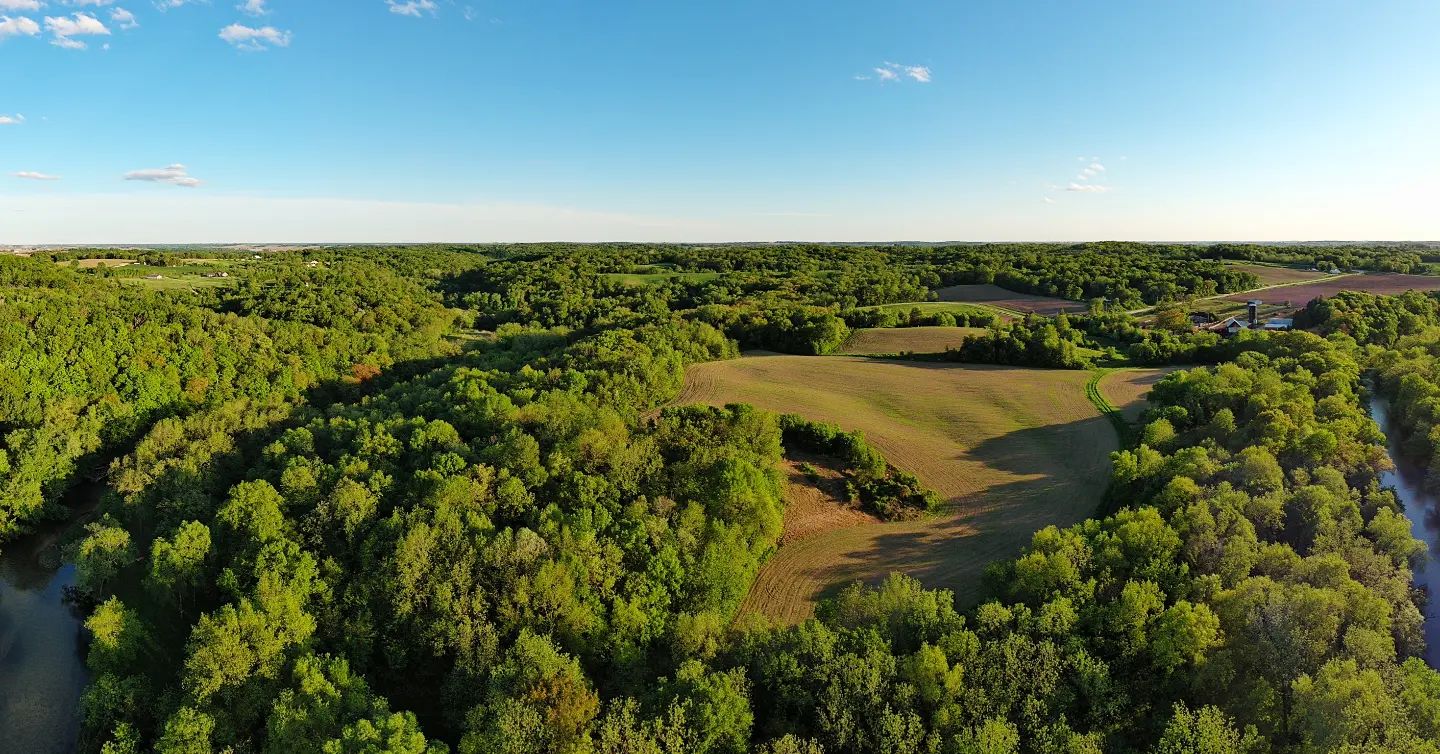
Cultural Conservation: Bluffside Forestry's Approach to Protecting Indigenous Flora Apr 30, 2026
Indigenous flora are plants that have evolved in a particular area without human intervention. Their conservation is crucial for maintaining biodiversity, supporting wildlife, and preserving cultural significance. For many indigenous communities, local plants are integral to their traditions and daily life, providing medicine, food, and materials for cultural rituals. The conservation efforts by Bluffside Forestry are focused on recognizing and elevating the importance of these plants, which play pivotal roles in cultural identity.
Bluffside Forestry employs a holistic strategy that begins with thorough research and understanding of the local ecosystems. Their expert team collaborates with botanists, ecologists, and local community leaders to identify key species that hold cultural and ecological value. By mapping out areas rich in indigenous flora, they prioritize preservation in these sensitive zones. Studies have shown that regions with diverse plant life tend to support a wider variety of animals and insect species, creating a balanced ecosystem. This highlights the critical role that preserving native plants plays in the broader conservation effort.
Community involvement is another cornerstone of Bluffside Forestry's approach. By engaging with indigenous communities, the company ensures that conservation strategies align with local customs and needs. This collaboration fosters mutual respect and provides valuable insights into the traditional uses of native plants. Training sessions are held to educate locals on sustainable harvesting practices, ensuring that cultural traditions can be maintained without depleting natural resources. In turn, these communities share their vast indigenous knowledge, which is crucial for the preservation and propagation of plant species.
Innovative conservation techniques are also at the forefront of Bluffside Forestry's approach. By using state-of-the-art technology such as Geographic Information Systems (GIS) and satellite imaging, the company can monitor vegetation health over vast areas efficiently. This technology allows for early detection of threats like invasive species or disease, enabling prompt and effective interventions. Such proactive management is essential for safeguarding the future of indigenous flora.
Moreover, Bluffside Forestry advocates for policy changes that support conservation efforts. By working with governmental bodies and environmental organizations, they contribute to creating regulatory frameworks that promote the protection of native plant species. Through comprehensive policies, they aim to create a sustainable model that balances economic development with environmental stewardship.
As we move towards a more sustainable future, Bluffside Forestry's commitment to cultural conservation and the protection of indigenous flora serves as a model for others to follow. Their dedicated efforts prove that preserving biodiversity and cultural heritage can go hand in hand, ensuring that these precious resources will continue to thrive for generations to come.
In conclusion, the protection of indigenous flora is not merely an environmental issue but a cultural one. Bluffside Forestry's multifaceted approach showcases how businesses can act as custodians of nature while respecting cultural ties. By championing conservation with respect for tradition and innovation, they pave the way for a future where the natural world is both cherished and preserved.
/filters:no_upscale()/filters:format(webp)/media/a3b19f47-292e-4b00-b740-40dfe2381139.jpeg)