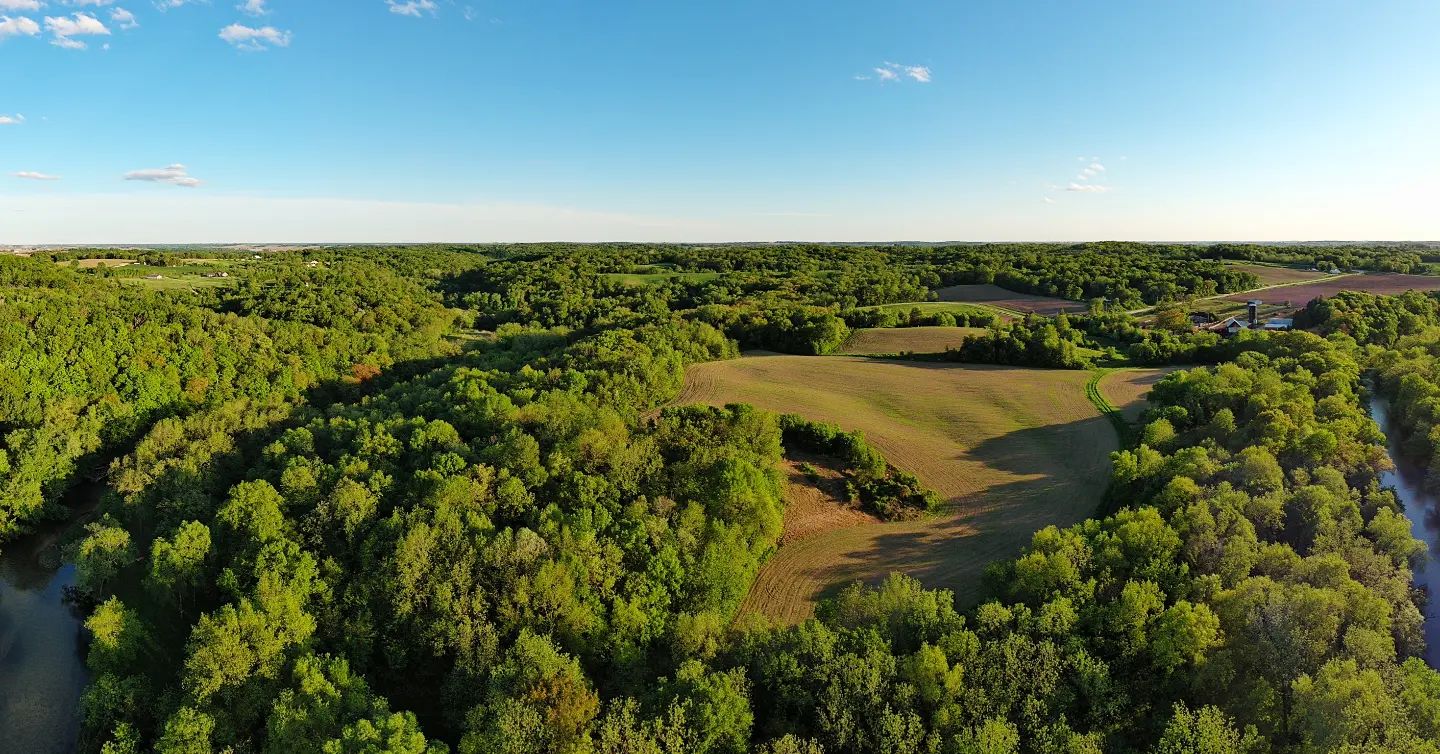
Enhancing Forest Resilience: Bluffside Forestry’s Strategies for Climate Adaptation Mar 08, 2026
Forests play a crucial role in carbon sequestration, biodiversity preservation, and ecosystem stability. As temperature shifts, precipitation patterns alter, and extreme weather events become more frequent, it is essential to adapt forestry practices to these changes. Bluffside Forestry employs a multifaceted strategy to bolster forest resilience, starting with comprehensive site assessments. By evaluating each forest's unique environmental conditions, including soil composition, species diversity, and water resources, Bluffside Forestry can tailor management practices to address specific climate risks.
A key component of Bluffside Forestry's approach is the diversification of species. By promoting a mix of native tree species that are more resilient to climate fluctuations, the company not only ensures a healthy forest structure but also enhances biodiversity. This diversity mitigates the risk of pathogen outbreaks or insect infestations, which can be exacerbated by changing climates. Diversified forests are naturally more robust, able to bounce back from disturbances more effectively than monocultures.
Soil health is another critical aspect of Bluffside Forestry’s climate adaptation strategies. Healthy soil improves water retention and nutrient availability, both of which are essential for forest resilience. Bluffside Forestry employs sustainable land management practices that reduce soil erosion and enhance organic matter content. Techniques like the use of cover crops and reduced-impact logging help preserve soil integrity while supporting forest regeneration.
Water management is equally pivotal in adapting to climate variability. Bluffside Forestry implements practices that conserve water resources and improve watershed health. By creating buffer zones along waterways and managing forest density, they can control runoff and reduce the impacts of flooding or drought on forest ecosystems. Efficient water management not only supports the immediate ecosystem but also the broader community that relies on these vital resources.
Bluffside Forestry also embraces technological advancements to monitor and manage forest health. The use of remote sensing technology and geographic information systems (GIS) allows for precise tracking of forest changes over time. These tools provide invaluable data, enabling proactive management decisions aimed at countering the ill effects of climate change with precision and forethought.
Community involvement is an integral part of Bluffside Forestry's climate adaptation initiatives. Engaging local communities through education and collaboration ensures that forest management practices are aligned with socio-economic needs while fostering a culture of conservation. By working closely with stakeholders, Bluffside Forestry fosters a deeper understanding of the importance of forest resilience and promotes shared responsibility in forest stewardship.
In conclusion, Bluffside Forestry’s comprehensive strategies for climate adaptation underscore their commitment to preserving our planet’s green lungs for future generations. By embracing biodiversity, promoting soil health, ensuring effective water management, leveraging technology, and cultivating community partnerships, Bluffside Forestry is setting a benchmark for sustainable forest management in a changing climate. Their proactive approach not only enhances forest resilience but also paves the way for a sustainable future where forests can continue to thrive despite the challenges posed by a warming planet.
/filters:no_upscale()/filters:format(webp)/media/a3b19f47-292e-4b00-b740-40dfe2381139.jpeg)