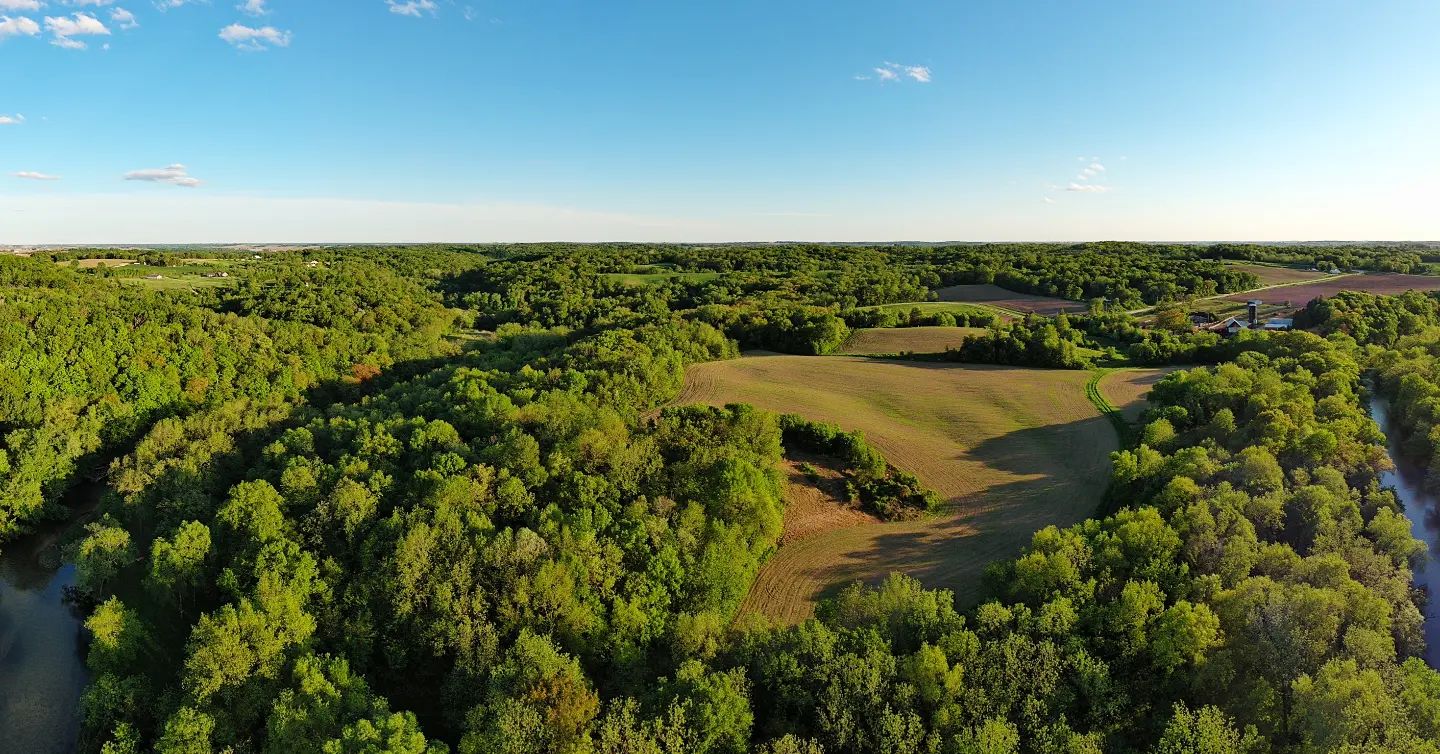
Forest Preservation in the Digital Age: How Bluffside Forestry Uses AI for Conservation Mar 09, 2026
Forest preservation is an ever-pressing concern, with increasing human activity and climate change affecting natural ecosystems. At Bluffside Forestry, the focus on forest conservation is as much about protecting biodiversity as it is about maintaining healthy, productive forests. By adopting AI-driven solutions, Bluffside is leading the charge in forest conservation amidst modern environmental challenges.
One of the primary ways Bluffside Forestry leverages AI is through data-driven decision-making. Advanced AI algorithms can analyze vast amounts of data collected from satellite imagery, drones, and ground sensors. This comprehensive data collection enables the firm to monitor forest conditions in real-time, assess tree health, and predict potential threats like pest infestations or diseases. The ability to process complex data sets quickly allows Bluffside experts to make informed decisions, implement timely interventions, and prevent ecological disruptions that may otherwise go unnoticed.
Additionally, AI facilitates precise resource management. By applying machine learning techniques, Bluffside Forestry can develop predictive models that optimize the allocation of resources for both preservation and commercial activities. AI-driven models help determine the best areas for sustainable logging while ensuring minimal impact on the ecosystem. This method of precision forestry not only conserves forests but also supports the economic viability of the communities reliant on these natural resources.
Another innovative application of AI at Bluffside Forestry is the enhancement of wildfire management. Wildfires pose an increasing risk to forests worldwide, often with catastrophic consequences. Through AI, Bluffside can predict potential fire outbreaks by analyzing weather patterns, vegetation density, and historical fire data. This allows the company to implement proactive fire mitigation strategies, reducing the likelihood of destructive fires and protecting both human and animal habitats.
Nonetheless, the widespread adoption of AI in forestry is not without challenges. One significant obstacle is the need for accurate training data, which is crucial for AI models to perform effectively. Bluffside addresses this by partnering with academic institutions and research organizations to ensure access to reliable data sources. Furthermore, while AI provides powerful insights, it is the expertise and stewardship of Bluffside's skilled team that translates these insights into actionable strategies for forest management.
In conclusion, Bluffside Forestry exemplifies how the integration of AI in forest preservation can lead to profound advancements in conservation efforts. By harnessing digital technology, the company is setting new standards in sustainable forestry practices that balance ecological preservation with economic needs. As we continue to navigate the digital age, Bluffside's innovative approach serves as a beacon for other forestry service companies aiming to protect our planet's verdant bounty. This forward-thinking methodology not only strengthens our forests today but ensures their resilience for generations to come.
/filters:no_upscale()/filters:format(webp)/media/a3b19f47-292e-4b00-b740-40dfe2381139.jpeg)