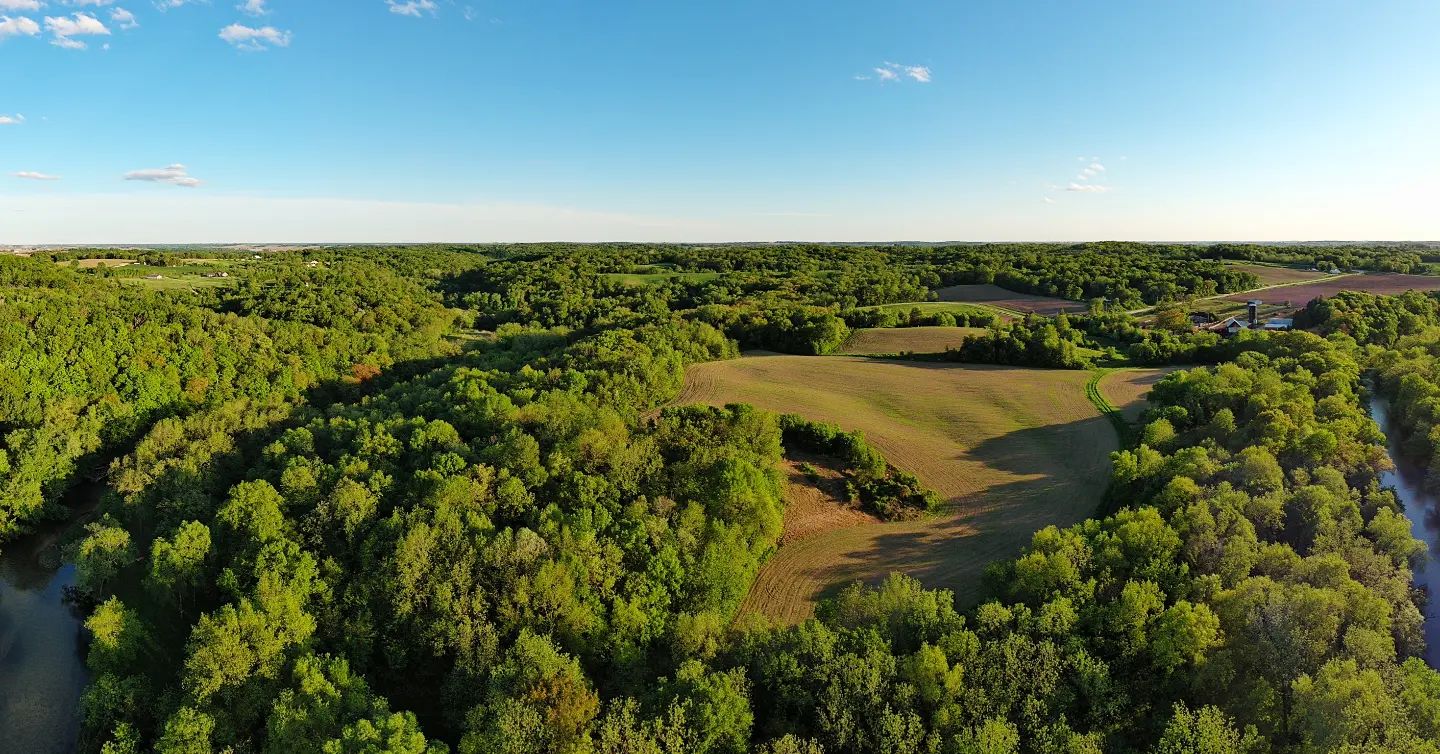
Harnessing Community Insights: Bluffside Forestry’s Participatory Management Techniques Feb 26, 2026
In today’s environmental climate, involving communities in the management of forests is more crucial than ever. Bluffside Forestry recognizes this and actively engages local stakeholders, creating a collaborative environment where both forestry experts and community members have a voice. By integrating community input, Bluffside Forestry ensures its practices are not only scientifically sound but socially responsible.
At the heart of this approach lies the concept of participatory management. This technique invites community members to partake in the decision-making processes, empowering them to express their knowledge and concerns. This collaboration results in management strategies that reflect both environmental needs and community values, striking a balance that benefits all stakeholders involved.
Bluffside Forestry implements several participatory tools, including public meetings, workshops, and surveys. These interactions allow the company to gather a wealth of local knowledge that may not be immediately apparent through traditional scientific methods. For example, local residents often possess an innate understanding of the land and its rhythms, providing insights that can lead to more effective forest management strategies.
One of the notable success stories in participatory management at Bluffside Forestry involves a project aimed at controlling invasive species within a specific forest area. By involving local communities, Bluffside was able to identify areas most affected and draft a management plan that utilized both community labor and expert guidance. This approach not only fostered community ownership but also enhanced the effectiveness of the control measures, leading to sustained ecological balance.
Bluffside Forestry’s participatory management initiatives also prioritize education and capacity building. By training community members in sustainable forestry practices, the company ensures that local knowledge is enriched and passed down through generations. This collaborative education approach fosters a sense of stewardship among community members, making them active participants in preserving their natural heritage.
The economic benefits resulting from participatory management are also significant. By engaging communities, Bluffside Forestry creates job opportunities and stimulates local economies. These programs often lead to the development of eco-tourism and other nature-based enterprises, providing sustainable income for community members while promoting environmental conservation.
In conclusion, Bluffside Forestry’s participatory management techniques are transforming how we approach forestry management. By valuing and incorporating community insights into their decision-making processes, Bluffside creates a harmonious balance of ecological conservation and community empowerment. This method not only ensures sustainable management of forestry resources but also strengthens the bond between the natural environment and the people who live there.
As Bluffside Forestry continues to innovate and explore new participatory models, other forestry service companies can look to these strategies as a blueprint for success. By harnessing the power of community insights and fostering collaboration, the company demonstrates that sustainable forestry management is not only possible but profoundly beneficial to both forests and the humans who depend on them. This integration of local and professional expertise marks a promising path forward in ensuring the health and vitality of our precious forest landscapes for future generations.
/filters:no_upscale()/filters:format(webp)/media/a3b19f47-292e-4b00-b740-40dfe2381139.jpeg)