Harnessing Nature: Bluffside Forestry's Strategies for Natural Pest Control Jan 25, 2026
Natural pest control is an essential aspect of sustainable forestry management. It involves using biological methods to reduce pest populations and minimize damage. For Bluffside Forestry, this means employing strategies that work in harmony with nature rather than against it.
One fundamental approach Bluffside Forestry uses is encouraging native species that act as natural predators to common pests. These predators help maintain a balanced ecosystem by controlling pest populations. For instance, birds, bats, and beneficial insects are encouraged to inhabit the forest. Bluffside Forestry strategically installs birdhouses and bat boxes to increase the population of these natural pest controllers. By fostering an environment where these creatures can thrive, Bluffside Forestry reduces the need for chemical pesticides, which can have adverse effects on the ecosystem.
Another strategy employed by Bluffside Forestry is the use of companion planting. Certain plants have the ability to repel pests naturally. By integrating these pest-repelling plants into their forestry practices, Bluffside Forestry creates a hostile environment for invasive species. Plants such as marigolds, garlic, and chives are just a few examples of natural repellents that deter pests while enhancing soil health and promoting forest growth.
Bluffside Forestry also harnesses the benefits of biological pest control by introducing beneficial insects to the forest. Insect species like ladybugs and lacewings are natural enemies of aphids and other harmful pests. By releasing these beneficial insects, Bluffside Forestry effectively keeps pest populations in check while maintaining the integrity of the forest ecosystem.
In addition to these strategies, Bluffside Forestry employs integrated pest management (IPM) techniques. IPM is a holistic approach that combines different methods to manage pest populations sustainably. This includes monitoring pest levels, identifying the most vulnerable stages of the pest life cycle, and applying targeted interventions when necessary. By doing so, Bluffside Forestry can reduce the impact of pests while minimizing the need for chemical treatments.
Furthermore, Bluffside Forestry invests in continuous education and training for their team. Staying abreast of the latest research and developments allows them to implement cutting-edge solutions that enhance the effectiveness of natural pest control methods. Regular workshops and field studies ensure that the team is well-equipped to handle diverse pest challenges.
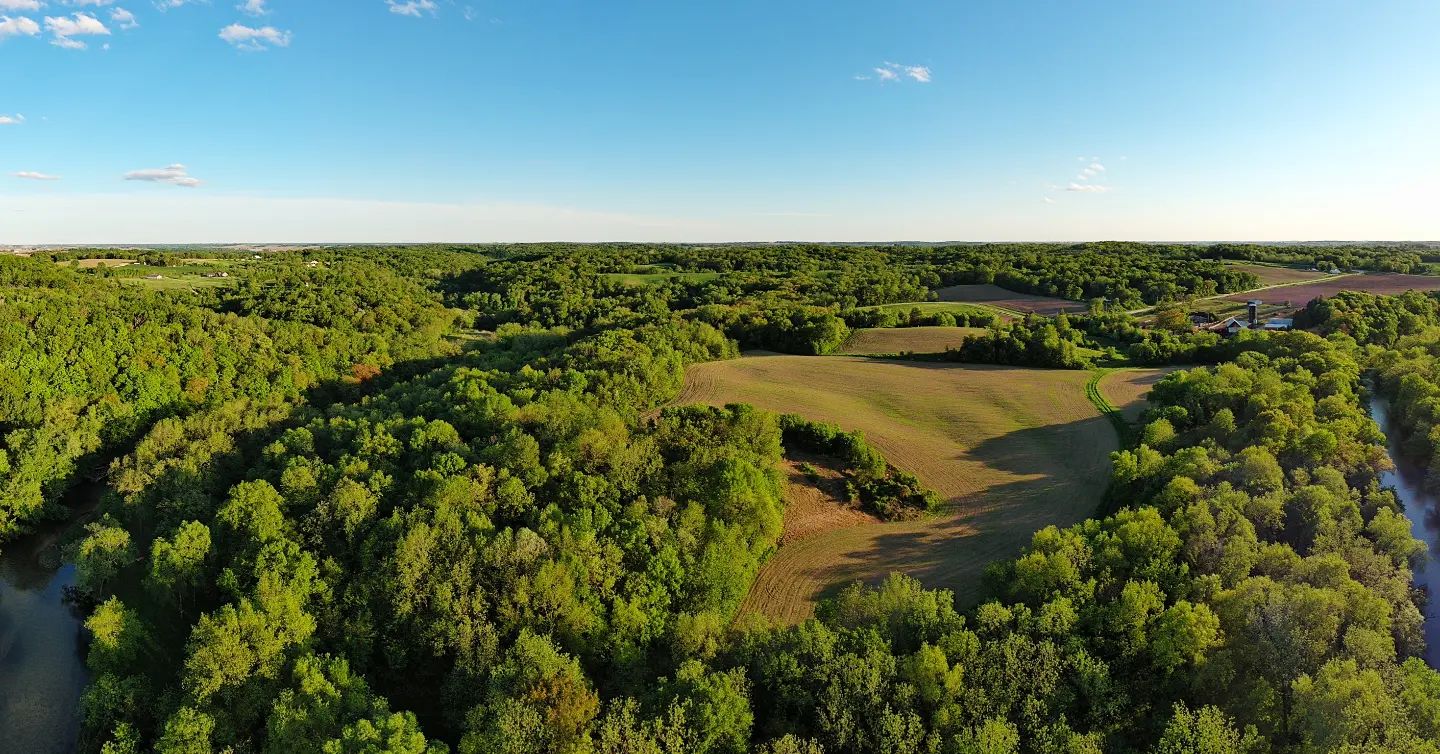
The results of Bluffside Forestry's natural pest control strategies are evident in the health and biodiversity of the forests they manage. By minimizing the use of chemical pesticides, they ensure that the forests remain vibrant and resilient. This not only benefits the environment but also aligns with the increasing consumer demand for sustainable forestry practices.
Bluffside Forestry’s commitment to natural pest control reflects a broader industry shift towards sustainability. By utilizing nature's own mechanisms, they show how forestry services can protect natural resources while fostering a healthy ecosystem for future generations. In doing so, Bluffside Forestry continues to set an example within the industry, proving that effective pest control can indeed be both environmentally friendly and economically viable.
/filters:no_upscale()/filters:format(webp)/media/a3b19f47-292e-4b00-b740-40dfe2381139.jpeg)