Holistic Forestry Practices: Bluffside’s Integrated Approach to Sustainable Management Jul 01, 2026
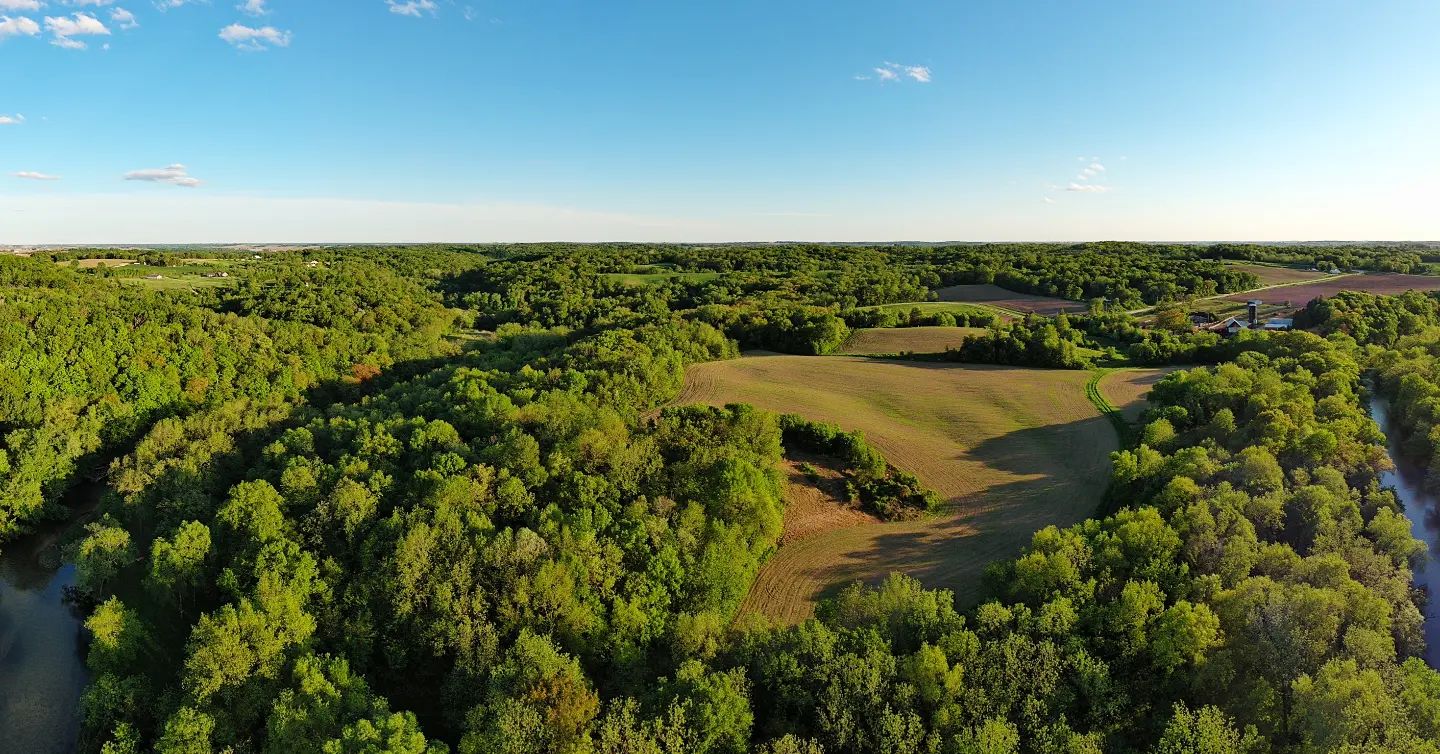
Forests are vital to the earth’s ecosystem, providing clean air, water, and biodiversity. At Bluffside Forestry, sustainability is not merely a buzzword; it is the guiding principle behind every project. The company believes that to manage forests responsibly, practices must be innovative, scientifically grounded, and community-focused. Bluffside’s approach is to consider the landscape as a whole rather than focusing solely on tree extraction. This allows for a balanced ecosystem that can thrive for generations to come.
Bluffside Forestry employs a variety of techniques to ensure its operations are sustainable. One key practice is selective logging, which involves carefully choosing which trees to harvest. This method helps preserve the structural integrity of the forest and maintains habitat diversity. Selective logging minimizes canopy gaps, which reduces the risk of soil erosion and maintains carbon storage. By avoiding clear-cutting, Bluffside Forestry supports biodiversity and ecosystem services.
In addition to selective logging, Bluffside Forestry incorporates modern technology and data analytics to monitor forest health. Utilizing satellite imagery and drones, the company can track changes in forest cover, assess the impacts of their logging, and ensure compliance with environmental standards. This technology-driven approach not only enhances operational efficiency but also allows for real-time decision-making to mitigate potential environmental impacts.
Community involvement is another cornerstone of Bluffside Forestry’s strategy. The company actively engages with local communities, ensuring that their needs and knowledge are integrated into forest management plans. This collaboration fosters trust and cooperation, which is essential for the successful implementation of conservation efforts. By investing in local communities, Bluffside Forestry ensures that the benefits of sustainable management extend beyond the company, contributing to local economies and social well-being.
Furthermore, Bluffside Forestry is committed to reforestation. For every tree harvested, two are planted, helping to replenish the forest and enhance carbon sequestration. This commitment to planting trees aids in securing a healthy ecological future while balancing production needs. Bluffside’s reforestation efforts also focus on planting native species to maintain the natural biodiversity of the region.
Education also plays a vital role in Bluffside Forestry’s approach. The company regularly conducts workshops and seminars to educate stakeholders on the importance of sustainable forestry practices. The dissemination of knowledge empowers communities, clients, and employees to make informed decisions in support of environmental conservation.
In conclusion, Bluffside Forestry’s integrated approach to sustainable management emphasizes a careful balance between ecological, economical, and social factors. Their methods ensure that forests are managed responsibly, promoting biodiversity, enhancing ecosystem services, and supporting local communities. By prioritizing holistic forestry practices, Bluffside Forestry exemplifies how sustainability and productivity can coexist, paving the way for a greener, more sustainable future. Through this approach, Bluffside proves that sustainability is not just an aspiration but an achievable reality in forest management.
/filters:no_upscale()/filters:format(webp)/media/a3b19f47-292e-4b00-b740-40dfe2381139.jpeg)