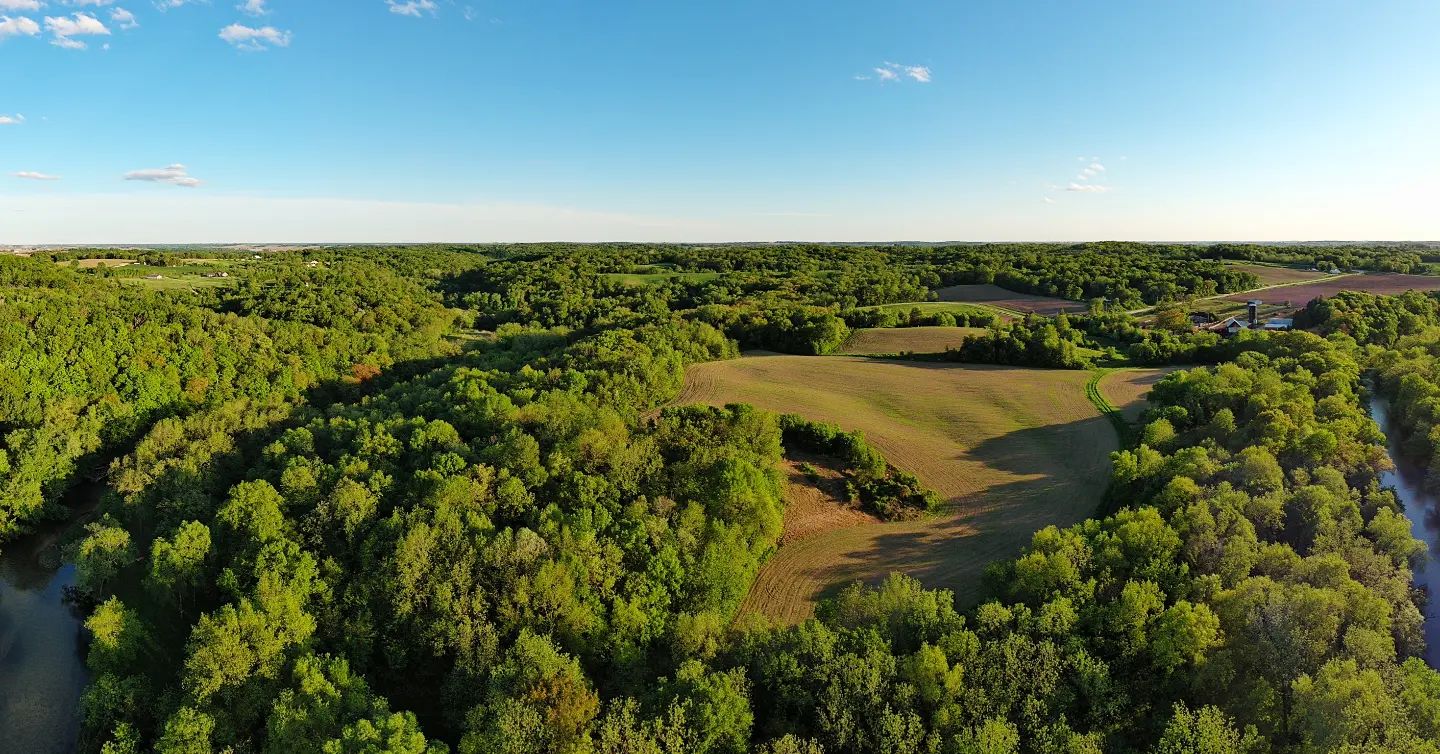
Innovative Forestry Techniques: Bluffside’s Modern Solutions Dec 30, 2025
Bluffside Forestry understands the critical role technology plays in modern forestry practices. One of the prominent methods they have embraced is the use of Geographic Information Systems (GIS) for mapping and analyzing forest areas. GIS enables foresters to manage spatial data efficiently, thereby improving decision-making processes related to tree harvesting, wildlife management, and conservation efforts. Through detailed maps and satellite imagery, Bluffside can monitor forest health, track pest and disease outbreaks, and plan for future resource allocation.
In addition to technological advancements, Bluffside Forestry is also committed to sustainable forestry practices. One method they implement is the Continuous Cover Forestry (CCF) approach. Unlike clear-cutting methods, CCF ensures that forests maintain a continuous canopy cover. This technique not only benefits the biodiversity within these environments but also enhances carbon sequestration, contributing positively to the fight against climate change. By limiting disturbances to the forest floor, wildlife can thrive unimpeded, and soil erosion is greatly reduced.
Another key aspect of Bluffside’s modern forestry solutions is their focus on community involvement and education. Recognizing that forestry impacts extend beyond the trees, Bluffside engages local communities in conservation efforts and educational programs. By involving communities, they foster a sense of stewardship that helps in protecting these vital ecosystems for future generations. Educational initiatives not only raise awareness about the importance of sustainable practices but also empower individuals with the knowledge to make informed decisions about local forestry issues.
Precision forestry is another notable technique embraced by Bluffside. This innovative approach relies on data and technology to manage forests with greater accuracy and efficiency. By using tools such as drones and sensors, Bluffside can precisely monitor forest growth and health, identifying areas that require intervention much faster than traditional methods allow. This focused attention ensures that interventions are timely and effective, minimizing waste and maximizing the sustainable yield of forest products.
Bluffside’s commitment to innovation extends to the restoration of degraded lands. They employ techniques such as assisted natural regeneration and reforestation with native species, which are crucial in restoring ecosystem functionality. These methods enhance biodiversity, improve habitat conditions, and help mitigate the impacts of climate change. By focusing on ecological restoration, Bluffside is helping ensure that forests continue to provide essential services, such as watershed protection and oxygen production, long into the future.
In conclusion, Bluffside Forestry’s innovative techniques are paving the way for a more sustainable and efficient approach to forest management. By integrating technology, community involvement, and sustainable practices, they are setting a standard that not only preserves current forest resources but enhances them for future generations. As forestry faces the challenges of climate change and increasing demand for resources, companies like Bluffside are crucial in leading the charge towards responsible and innovative forest management solutions. With these practices at the helm, the vision of sustainably managed forests that benefit both people and the planet is within reach.
/filters:no_upscale()/filters:format(webp)/media/a3b19f47-292e-4b00-b740-40dfe2381139.jpeg)