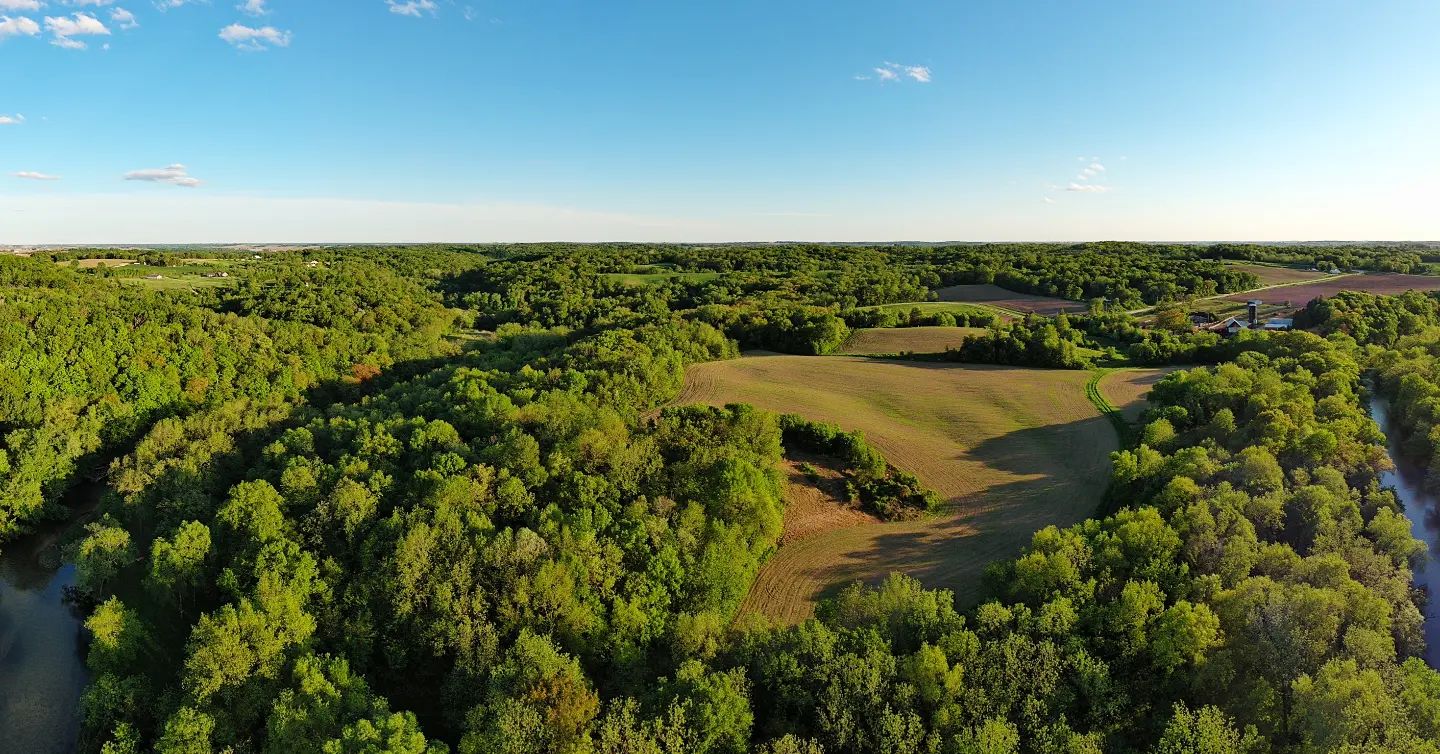
Integrating Wildlife Corridors: Bluffside Forestry’s Commitment to Habitat Connectivity Mar 07, 2026
Connectivity between habitats is vital for maintaining biodiversity. Traditionally, isolated patches of habitats hinder the movement of wildlife, impacting breeding patterns and leading to genetic fragmentations. Wildlife corridors are strategically created pathways that connect these fragmented habitats, allowing animals to move freely and safely between areas. Bluffside Forestry recognizes the importance of these corridors and is working tirelessly to weave them into its forestry management practices.
The process begins with a deep understanding of the local ecology. Bluffside Forestry collaborates with environmental specialists to map out regions where wildlife activity is most prevalent. They consider the needs of various species, their migratory habits, and their natural behaviors. This comprehensive analysis allows Bluffside to identify critical areas that require connectivity. The company’s experts then design corridors that incorporate natural elements like trees, shrubs, and water bodies to create optimal pathways for wildlife.
Implementing these corridors requires a change in traditional forestry practices. Bluffside Forestry is at the forefront by adopting measures that balance timber production with ecological preservation. Selective logging, instead of clear-cutting, ensures that enough canopy cover is retained to provide shelter and food for wildlife. By using selective logging methods, Bluffside maintains the integrity of corridors, encouraging the movement of native species and enhancing biodiversity.
Bluffside Forestry also engages local communities in their conservation efforts. Education and awareness programs help residents and stakeholders understand the importance of wildlife corridors. By fostering a spirit of cooperation, Bluffside ensures these projects have community support and can be maintained effectively over the long term. This inclusive approach not only aids in the sustainable management of forests but also instills a sense of responsibility among local populations toward environmental stewardship.
As these corridors begin to flourish, the benefits extend beyond wildlife. Healthy, connected ecosystems contribute to carbon sequestration, soil preservation, and water purification. These ecological services are crucial in combating climate change and enhancing the overall health of our planet. By prioritizing habitat connectivity, Bluffside Forestry supports both local and global environmental goals.
In conclusion, Bluffside Forestry’s initiative in integrating wildlife corridors demonstrates a forward-thinking commitment to sustainable forestry management. By prioritizing habitat connectivity, Bluffside is paving the way for a future where wildlife and forestry can thrive side by side. Through strategic planning, community engagement, and innovative management techniques, Bluffside Forestry is setting a benchmark in the industry, proving that it is possible to balance economic needs with ecological responsibility. As they continue to develop and enhance wildlife corridors, Bluffside stands as a leader in the ongoing effort to preserve the planet's natural heritage.
/filters:no_upscale()/filters:format(webp)/media/a3b19f47-292e-4b00-b740-40dfe2381139.jpeg)