Maximizing Forest Health: Methods and Innovations at Bluffside Forestry Jan 03, 2026
Effective forest management begins with a deep understanding of the forest ecosystem. This involves conducting comprehensive assessments to determine the health status of trees, soil conditions, and biodiversity levels. Bluffside Forestry employs advanced technologies, such as Geographic Information Systems (GIS) and remote sensing, to gather detailed data about forest compositions. These tools allow us to monitor changes over time, providing a necessary foundation for making informed management decisions.
One of the most effective strategies for enhancing forest health is implementing sustainable harvesting practices. This approach ensures that tree removal does not exceed the forest's natural regeneration capacity. At Bluffside Forestry, we practice selective logging. This method involves carefully choosing specific trees for removal, thereby minimizing the impact on the surrounding ecosystem and promoting stronger tree stand diversity. By focusing on maintaining the balance of the forest ecosystem, we not only preserve its beauty but also enhance its resilience to diseases and pests.
Another pivotal aspect of forest health maximization is managing invasive species, which threaten native flora and fauna. Invasive species can outcompete native plants for resources, diminishing biodiversity. Bluffside Forestry takes proactive measures by deploying biological control techniques, using natural predators to manage and reduce invasive populations. Additionally, regular monitoring helps us identify and mitigate the spread of invasive species effectively.
Fire is both a natural part of many forest ecosystems and a significant threat when not managed properly. Bluffside Forestry engages in prescribed burning, a technique that mimics the natural occurrence of fire within a controlled setting. Prescribed burns recycle nutrients back into the soil, encourage growth, and reduce the buildup of flammable materials that could cause severe wildfires. This method requires meticulous planning and execution by trained professionals to ensure safety and effectiveness.
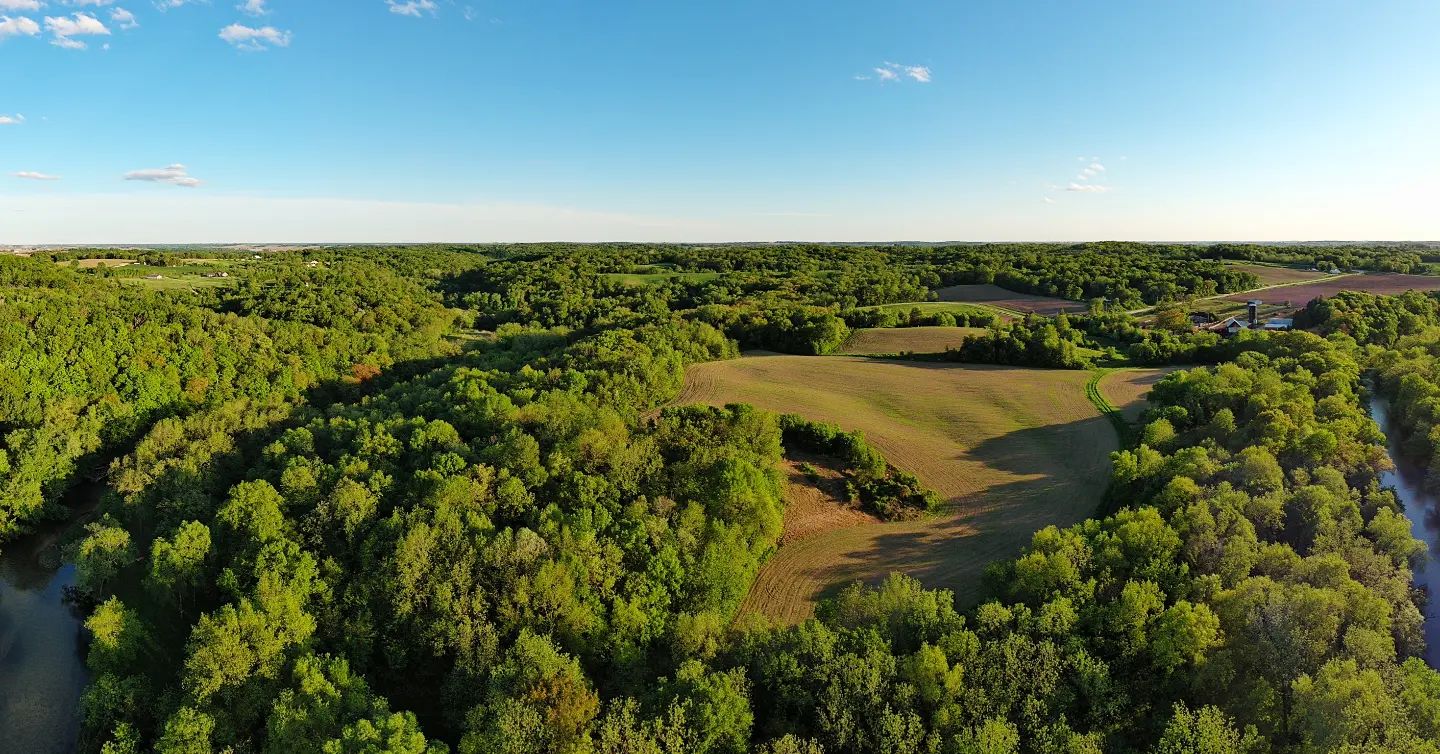
In recent years, Bluffside Forestry has begun incorporating drone technology and artificial intelligence in forest management operations. Drones equipped with advanced imaging capabilities provide us with real-time aerial views and data collection over vast areas, aiding in quicker response times to potential issues. The integration of AI allows for sophisticated analysis of collected data, predicting trends, and optimizing decision-making processes that enhance forest management's precision and efficiency.
Community involvement is another cornerstone of our approach at Bluffside Forestry. We collaborate with local communities to promote awareness and encourage participation in forest conservation efforts. Educating people about the benefits of healthy forest ecosystems and sustainable practices can lead to fruitful partnerships and a shared commitment to environmental stewardship.
In conclusion, maximizing forest health is a multifaceted endeavor that requires a blend of traditional practices and innovative technologies. At Bluffside Forestry, our commitment to sustainable forest management and environmental conservation ensures that we are contributing positively to both the local ecosystem and the global climate. By staying at the forefront of industry innovations and maintaining a collaborative spirit, we strive to protect and preserve our world's vital forests for generations to come.
/filters:no_upscale()/filters:format(webp)/media/a3b19f47-292e-4b00-b740-40dfe2381139.jpeg)