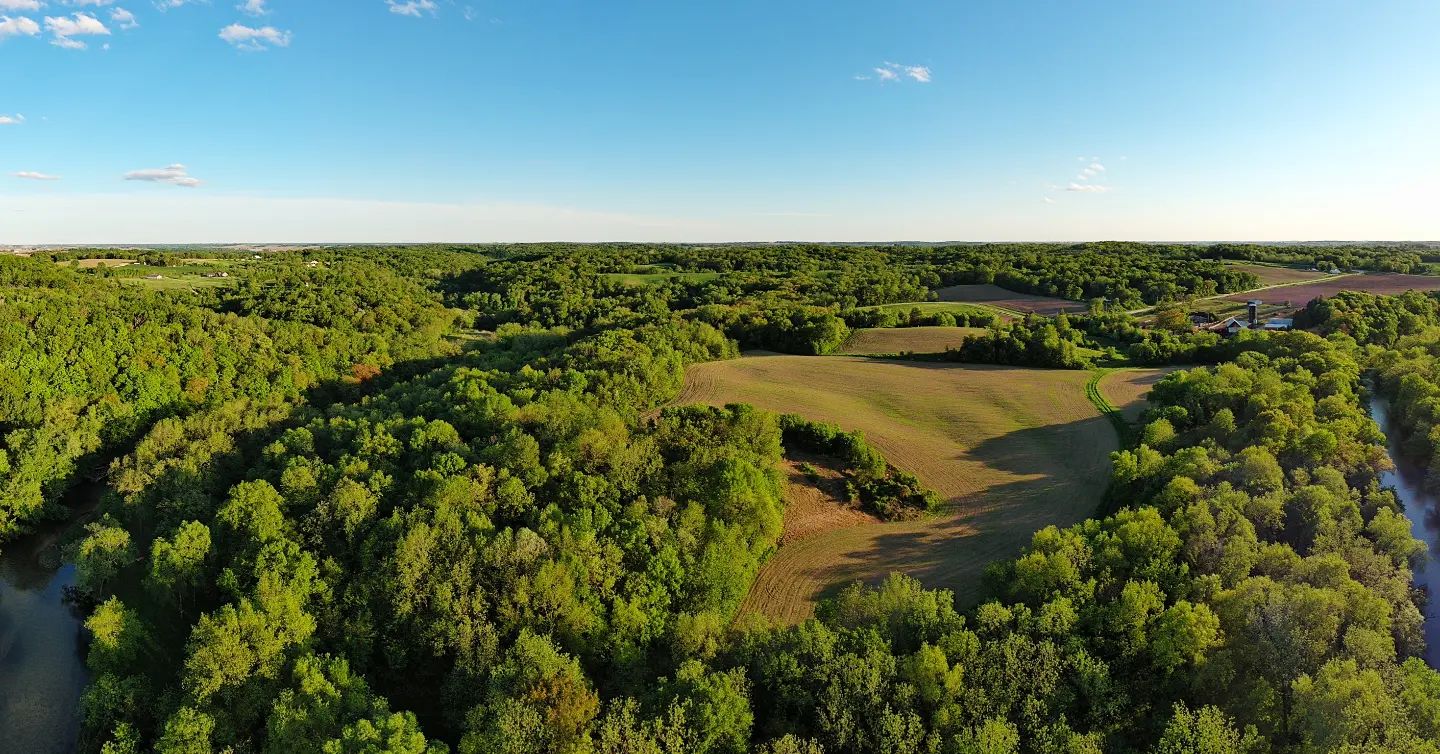
Minimizing Forest Footprints: Sustainable Harvest Planning at Bluffside Forestry Apr 29, 2026
Sustainable harvest planning at Bluffside Forestry begins with a commitment to ecological stewardship. This means carefully weighing the current forest resources against long-term forest health. The process involves a deep understanding of the forest's ecosystem, assessing factors such as species diversity, soil health, water resources, and wildlife habitats. By focusing on these aspects, Bluffside Forestry ensures that harvesting operations do not exceed the forest’s capacity to regenerate.
A significant part of minimizing forest footprints involves implementing precision forestry techniques. This modern approach leverages advanced technology to enhance traditional forestry practices. By utilizing tools such as satellite imagery, GPS, and data analytics, Bluffside Forestry can create detailed maps and models of forest areas. These tools help in pinpointing the optimal areas for harvesting that minimize environmental disruption while maximizing the efficient use of forest resources.
One of the cornerstones of sustainable forest management is selective harvesting. Rather than clear-cutting, which drastically alters landscapes and ecosystems, selective harvesting focuses on removing specific trees while preserving the overall structure of the forest. This method supports natural regeneration and maintains biodiversity, allowing other trees to grow stronger and healthier, thereby enhancing the resilience of the forest ecosystem.
Bluffside Forestry also places significant emphasis on reforestation as part of our sustainable management practices. After harvesting, strategic tree planting ensures that the forest can quickly rebound. The selection of tree species for reforestation takes into account native tree types that are most beneficial to the local ecosystem, supporting both flora and fauna. This attention to the local ecology helps maintain a balanced environment that is less susceptible to disease and pest outbreaks.
Another key strategy employed by Bluffside Forestry to minimize forest footprints is conservation planning. By designating specific areas within forest tracts as conservation zones, we ensure that critical habitats and biodiversity hotspots remain untouched. This not only safeguards the environment but also helps in maintaining the ecological balance necessary for sustained forest health.
Educating the community and involving them in sustainable forestry practices is another vital element of Bluffside Forestry’s approach. Through workshops and community outreach programs, the company educates landowners, local communities, and even school groups about the importance of forest conservation and sustainable harvesting techniques. By fostering a community-wide understanding and appreciation of forest ecosystems, Bluffside Forestry helps ensure collective responsibility towards maintaining these natural resources.
In conclusion, Bluffside Forestry’s approach to minimizing forest footprints is built on the principle of sustainable harvest planning, which is essential for the longevity of our forest ecosystems. By integrating precision forestry techniques, selective harvesting, reforestation efforts, and conservation planning, the company not only meets immediate economic needs but also ensures the long-term health of our forests. This commitment underscores the company’s role as a leader in responsible forestry, paving the way for a sustainable future where forests thrive both ecologically and economically.
/filters:no_upscale()/filters:format(webp)/media/a3b19f47-292e-4b00-b740-40dfe2381139.jpeg)