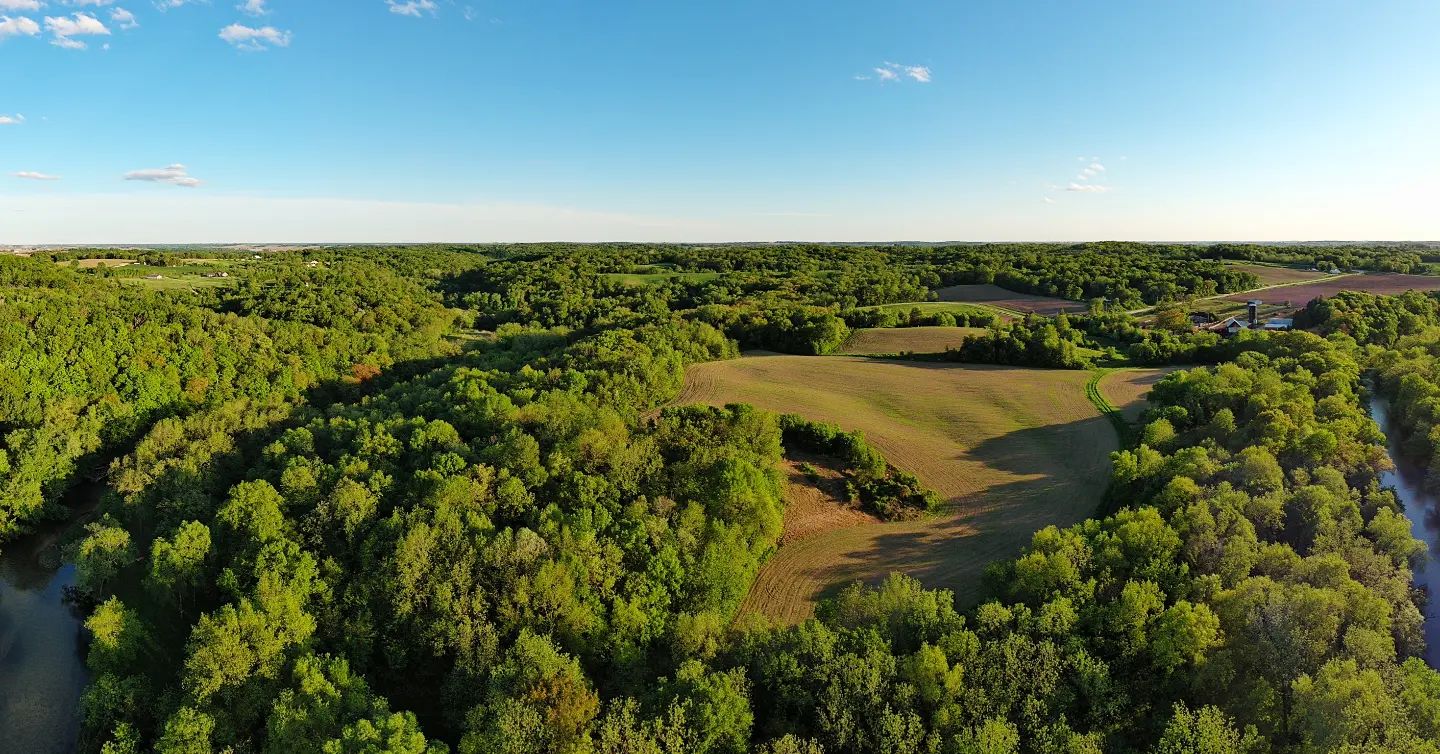
Proactive Fire Management: Bluffside Forestry’s Strategies for Wildfire Prevention and Control Jun 03, 2026
Understanding the need for a proactive approach is essential. The adverse effects of wildfires are not limited to immediate destruction; they also result in long-term environmental degradation and economic losses. This is why Bluffside Forestry emphasizes early intervention. Our team employs a series of preventive measures aimed at reducing the risk of unwarranted fire incidents. Regular forest thinning is one key strategy. By removing excess vegetation and deadwood, the fuel for wildfires is significantly minimized, which reduces the intensity and spread of potential fires.
Another critical component of Bluffside Forestry's approach is controlled or prescribed burning. While it might seem counterintuitive, setting small, manageable fires helps clear dry vegetation that could otherwise fuel uncontrolled wildfires. This technique has been utilized for centuries and contributes to maintaining healthy ecosystems by rejuvenating soil and promoting the growth of fire-resistant plant species. Bluffside Forestry is dedicated to conducting these burns meticulously, ensuring that they are safe and beneficial to the forest's health.
Education and awareness are at the heart of Bluffside Forestry’s wildlife management strategy. By collaborating with local communities and stakeholders, we are able to disseminate valuable information regarding fire safety practices. Workshops, seminars, and educational materials are distributed to ensure everyone understands the roles they play in preventing wildfires. Simple actions, such as properly extinguishing campfires and adhering to fire bans, can significantly contribute to reducing wildfire risks.
Strategic planning also plays a pivotal role in Bluffside Forestry's fire control strategies. By employing advanced technology and data analytics, we can predict fire-prone areas and times, allowing us to allocate resources efficiently and effectively. The use of satellite imagery and geographic information systems (GIS) helps us monitor forest conditions, ensuring that we remain one step ahead in our prevention efforts. Continuous monitoring further aids in early detection, enabling rapid response to any potential threats, thus minimizing the damage these fires can cause.
Bluffside Forestry also prioritizes collaboration with government agencies and other fire management organizations. This cooperation fosters a more integrated approach to wildfire management, ensuring that fire suppression efforts are coordinated and resources are optimally utilized. Joint task forces often result in more comprehensive fire response strategies, reducing duplication of efforts and increasing the success rate of firefighting operations.
In conclusion, Bluffside Forestry is committed to proactive fire management through a combination of preventive measures, informed community engagement, and the strategic use of technology. Our efforts aim to minimize wildfire risks while promoting healthier and more resilient forest ecosystems. This approach not only safeguards the natural environment but also protects local communities and economies. By investing in these proactive strategies, Bluffside Forestry ensures a sustainable and secure future in the face of increasing wildfire threats.
/filters:no_upscale()/filters:format(webp)/media/a3b19f47-292e-4b00-b740-40dfe2381139.jpeg)