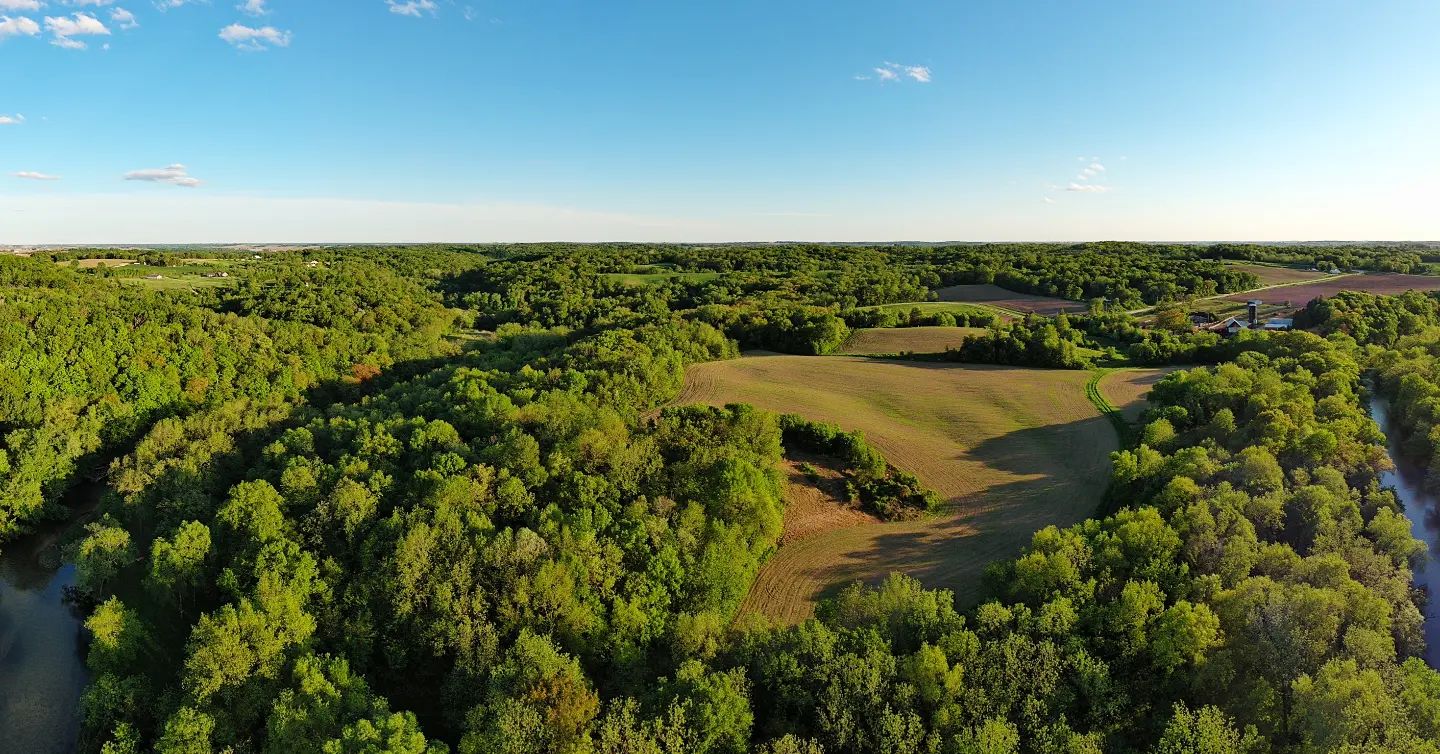
The Art of Forest Restoration: Creative Solutions by Bluffside Forestry for Biodiversity Enhancement Jul 04, 2026
Forest restoration involves the revival of ecosystems that have been degraded or deforested. The process requires strategic planning and creative approaches to ensure long-term sustainability. At Bluffside Forestry, we recognize that each forest ecosystem is unique, necessitating a customized approach tailored to its specific needs. We start with a comprehensive assessment of the area to determine the extent of degradation and identify key factors inhibiting natural growth.
One of the main strategies employed by Bluffside Forestry is the incorporation of native species. Introducing species that are indigenous to the area is fundamental for ensuring the resilience and functionality of the ecosystem. Native plants are naturally adapted to the local climate and soil conditions, making them crucial players in fostering biodiversity. We focus on planting a variety of flora to create a resilient ecosystem that supports a wide range of wildlife.
Moreover, Bluffside Forestry emphasizes the importance of ecological balance. It’s not just about planting trees but establishing a habitat that can sustain itself and thrive. Our team creates strategic biodiversity corridors, which are vital for enabling species migration and adaptation. These corridors are planned to connect fragmented habitats, allowing fauna to travel safely between areas of refuge, thereby increasing genetic diversity and reducing the risk of extinction.
Another innovative solution we apply is the use of controlled burns. Fire, though often perceived as destructive, can be a powerful tool in forest restoration when managed correctly. Controlled burns help clear out invasive species, return nutrients to the soil, and promote the growth of native plant life. Our experts meticulously plan these burns to minimize risk and maximize ecological benefits.
In addition to on-the-ground restoration efforts, Bluffside Forestry is pioneers in integrating technology for forest monitoring. Drones and satellite imagery allow us to collect data and monitor changes in the ecosystem in real time. This technology enhances our ability to make informed decisions, predict future challenges, and adjust our strategies accordingly to ensure the success of restoration projects.
Community involvement also plays a significant role in our restoration projects. Bluffside Forestry actively engages with local communities, educating them on the importance of healthy forest ecosystems and their role in sustaining biodiversity. We provide training and resources to empower locals to participate in and benefit from conservation efforts.
As we restore these vital ecosystems, we’re not just giving back to nature; we're also safeguarding resources for future generations. Bluffside Forestry is committed to sustainable practices that not only address the immediate needs of restoration but also future-proof these environments against the challenges posed by climate change and human activity.
In conclusion, the art of forest restoration requires a blend of traditional knowledge, scientific insight, and innovative practices. Through creative solutions and a steadfast commitment to sustainability, Bluffside Forestry is at the forefront of efforts to enhance biodiversity and ensure the health of our planet’s forests for generations to come. We invite you to join us in this crucial quest for ecological restoration and biodiversity enhancement.
/filters:no_upscale()/filters:format(webp)/media/a3b19f47-292e-4b00-b740-40dfe2381139.jpeg)