The Economic Benefits of Sustainable Forestry: Insights from Bluffside’s Operations Mar 21, 2026
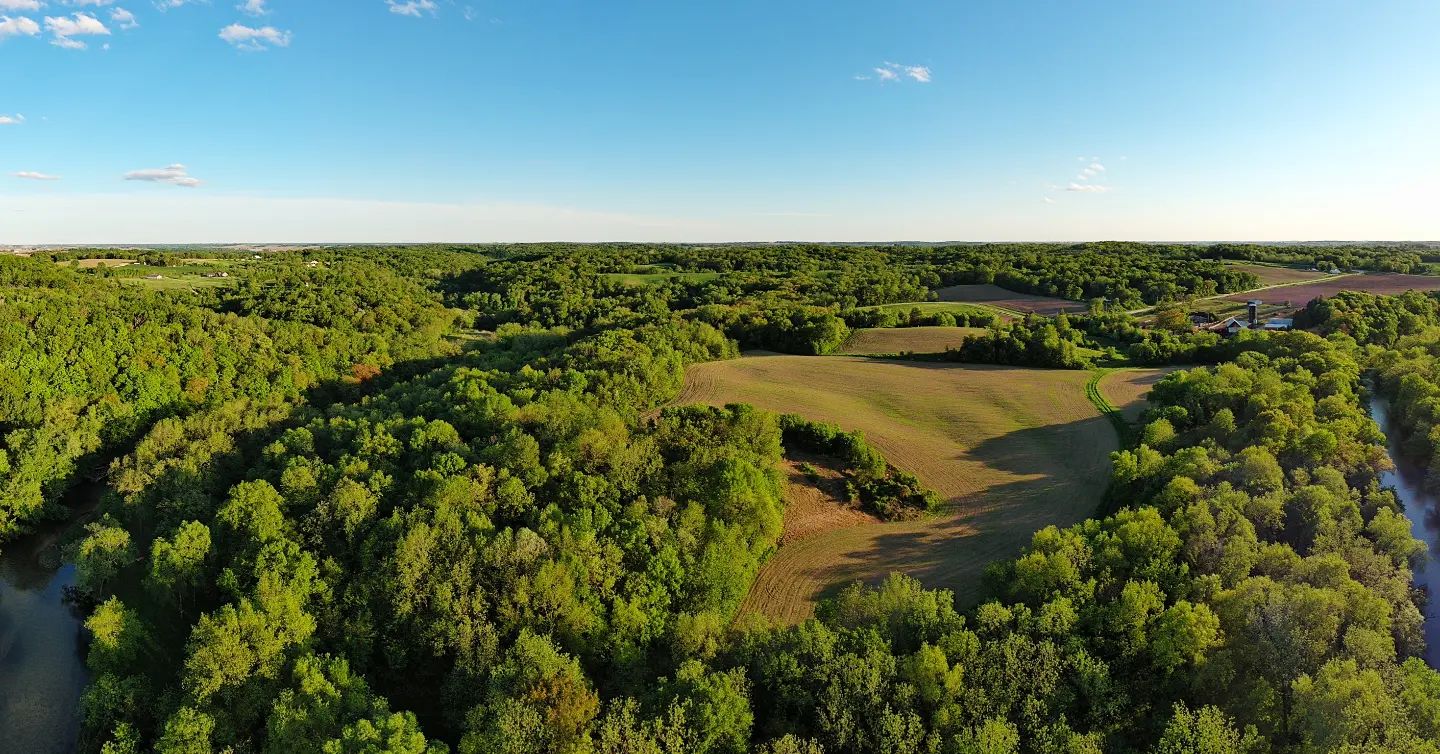
Sustainable forestry, often characterized by selective logging, reforestation, and habitat conservation, offers numerous economic advantages. One of the primary benefits is the creation of high-quality timber that meets the increasing demand for sustainable products. By maintaining healthy forest ecosystems, Bluffside Forestry ensures that the timber harvested is of superior quality. This not only meets industry standards but also commands premium prices in the market. Consumers are becoming more conscientious about their environmental impact, and there's a growing market demand for sustainably sourced materials. This shift benefits companies like Bluffside Forestry that are committed to sustainable practices.
Furthermore, sustainable forestry efforts support local economies. By managing forests responsibly, Bluffside Forestry creates jobs not only within forestry operations but also in related sectors such as transportation, manufacturing, and retail. This ripple effect of employment opportunities helps sustain rural economies, providing a stable income to many families. Additionally, by maintaining the ecological health of forested areas, sustainable forestry supports tourism and recreation industries. Forests managed sustainably are more attractive and accessible to visitors, allowing local businesses to capitalize on ecotourism.
Another significant economic benefit of sustainable forestry is the increase in ecosystem services. Healthy forests provide clean water, clean air, and carbon sequestration — all vital components of ecological balance. Bluffside Forestry’s commitment to sustainability helps mitigate climate change impacts by preserving these essential services, which in turn supports industries reliant on those resources. For example, well-managed forests regulate water flow and improve water quality, which is essential for agriculture and human consumption.
Sustainable forestry practices also lead to long-term resource stability. By implementing rotational harvesting and avoiding clear-cutting, Bluffside Forestry ensures that forest resources are renewable and abundant for future harvests. This foresight protects against future supply chain disruptions and price volatility, thus offering predictability and stability to businesses dependent on forestry products.
Moreover, implementing sustainable practices enhances Bluffside Forestry’s brand reputation and strengthens customer loyalty. Businesses that prioritize sustainability are often perceived as more reliable and forward-thinking. This reputation not only attracts environmentally conscious customers but also opens doors to partnerships with companies that prioritize sustainability in their supply chains.
Bluffside Forestry’s operations serve as a model for balancing economic interests with environmental responsibilities. Their sustainable forestry practices not only protect our ecosystems but also drive economic growth, job creation, and industry innovation. As more companies recognize the value of sustainable practices, the broader industry benefits, promoting a transformative shift toward responsible resource management.
In conclusion, sustainable forestry, as demonstrated by Bluffside Forestry, is a testament to the fact that environmental health and economic prosperity can indeed go hand in hand. By fostering a healthy, resilient ecosystem, Bluffside Forestry not only secures its business's future but also contributes to the well-being of the planet and its inhabitants. As such, sustainable forestry practices offer a blueprint for how other industries might align economic goals with environmental sustainability, ensuring a thriving future for all.
/filters:no_upscale()/filters:format(webp)/media/a3b19f47-292e-4b00-b740-40dfe2381139.jpeg)