The Economics of Sustainable Forestry: Bluffside's Approach to Balancing Profit and Planet Mar 01, 2026
As the importance of sustainable forestry grows, so does the financial complexity of implementing it effectively. Bluffside Forestry has cultivated a model that capitalizes on sustainability, turning it into a competitive advantage. This approach not only fulfills ecological responsibilities but also ensures business profitability.
The cornerstone of Bluffside's strategy is strategic tree harvesting. By employing selective logging, they maintain the health of the forest ecosystem while meeting market demands. This method prioritizes harvesting mature trees, which naturally allows more sunlight to reach young saplings, promoting growth. This technique helps sustain forests' long-term health, ensuring resources are available for future economic activities.
Moreover, Bluffside Forestry invests in reforestation, an essential component of sustainable forestry. For every tree harvested, several are planted in its place, creating a balanced cycle of extraction and renewal. This cycle not only mitigates deforestation but also contributes to carbon sequestration, a significant factor in combating climate change. By reducing atmospheric carbon, Bluffside not only aids environmental health but also taps into carbon credit markets, adding a revenue stream that complements timber sales.
Another key aspect of Bluffside's sustainable model is community engagement. Realizing that local communities can be great partners, Bluffside has implemented programs that involve locals in forest management. This initiative provides local employment opportunities, promoting economic development in surrounding areas while ensuring that sustainable practices are adhered to. It's a symbiotic relationship; while the community gains economic benefits, Bluffside earns local support and valuable insights into forest management practices.
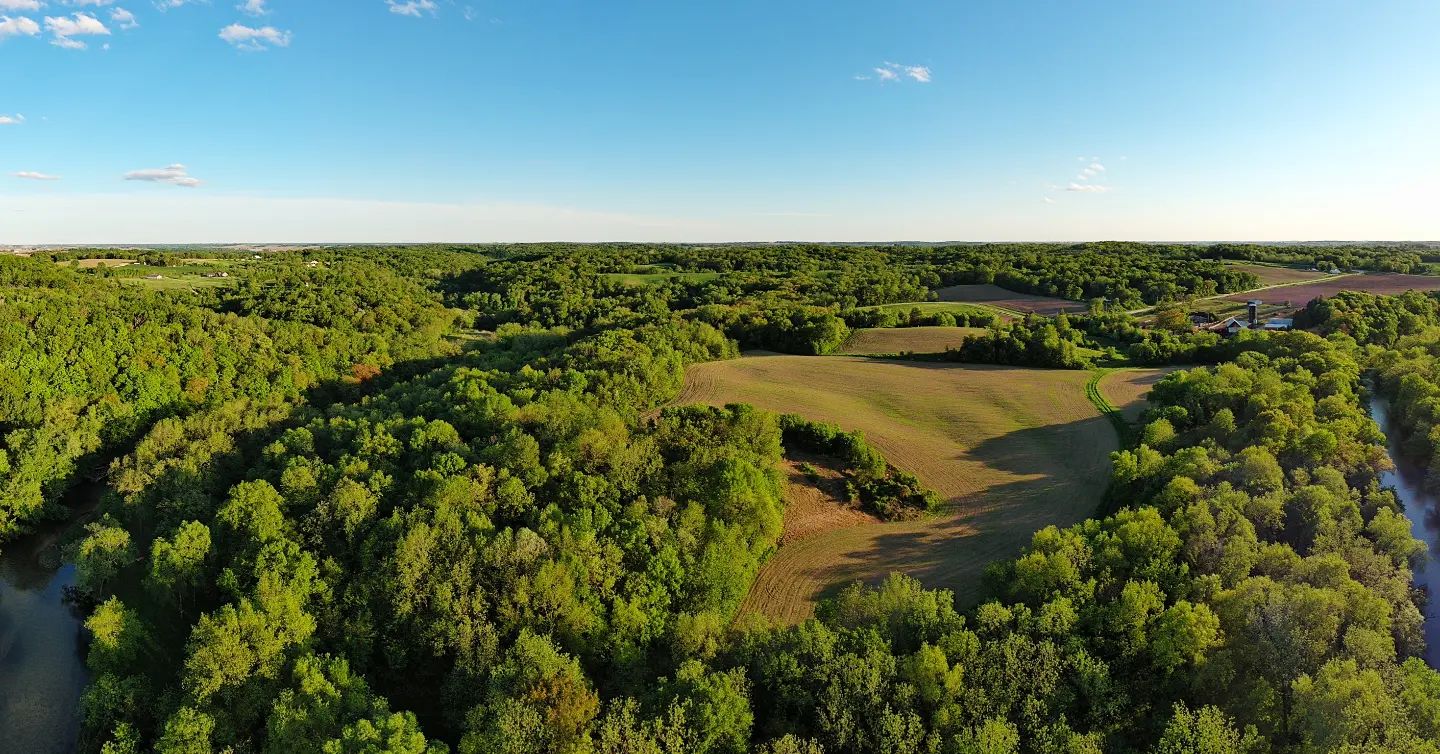
Technology is another driving force behind Bluffside's success. The company employs advanced tools such as satellite imagery and drones to monitor forest conditions in real time. These technologies enable precise data collection for more effective forest management, optimizing resource use, and reducing waste. This tech-forward approach not only ensures operational efficiency but also enhances transparency, an increasing demand from stakeholders who want assurance that companies are operating sustainably.
Adapting to market conditions is essential for any business, and Bluffside Forestry is no exception. Their diversification strategy has seen them invest in the production of non-timber forest products such as nuts, resins, and medicinal plants. These products foster biodiversity and provide additional revenue avenues, cushioning the company against market fluctuations in timber prices.
In conclusion, Bluffside Forestry stands as a testament to how businesses in the forestry sector can integrate economic profitability with ecological responsibility. Their approach to sustainable forestry not only ensures a healthy balance between profit and planet but also inspires other industry players to adopt similar practices. As consumers and businesses become more eco-conscious, the need for models like Bluffside's will undoubtedly increase, paving the way for a more sustainable future in forestry.
/filters:no_upscale()/filters:format(webp)/media/a3b19f47-292e-4b00-b740-40dfe2381139.jpeg)