The Intersection of Forestry and Technology: Bluffside Forestry’s Digital Innovations Jan 15, 2026
To begin with, the integration of Geographic Information Systems (GIS) at Bluffside Forestry exemplifies how technology can revolutionize forest management. GIS technology allows for detailed mapping and analysis of forests, providing precise data on tree species, terrain, and forest health. This data empowers Bluffside Forestry to make informed decisions that support biodiversity and sustainable logging practices. It optimizes the planning process, ensuring that resources are used efficiently while minimizing environmental impact.
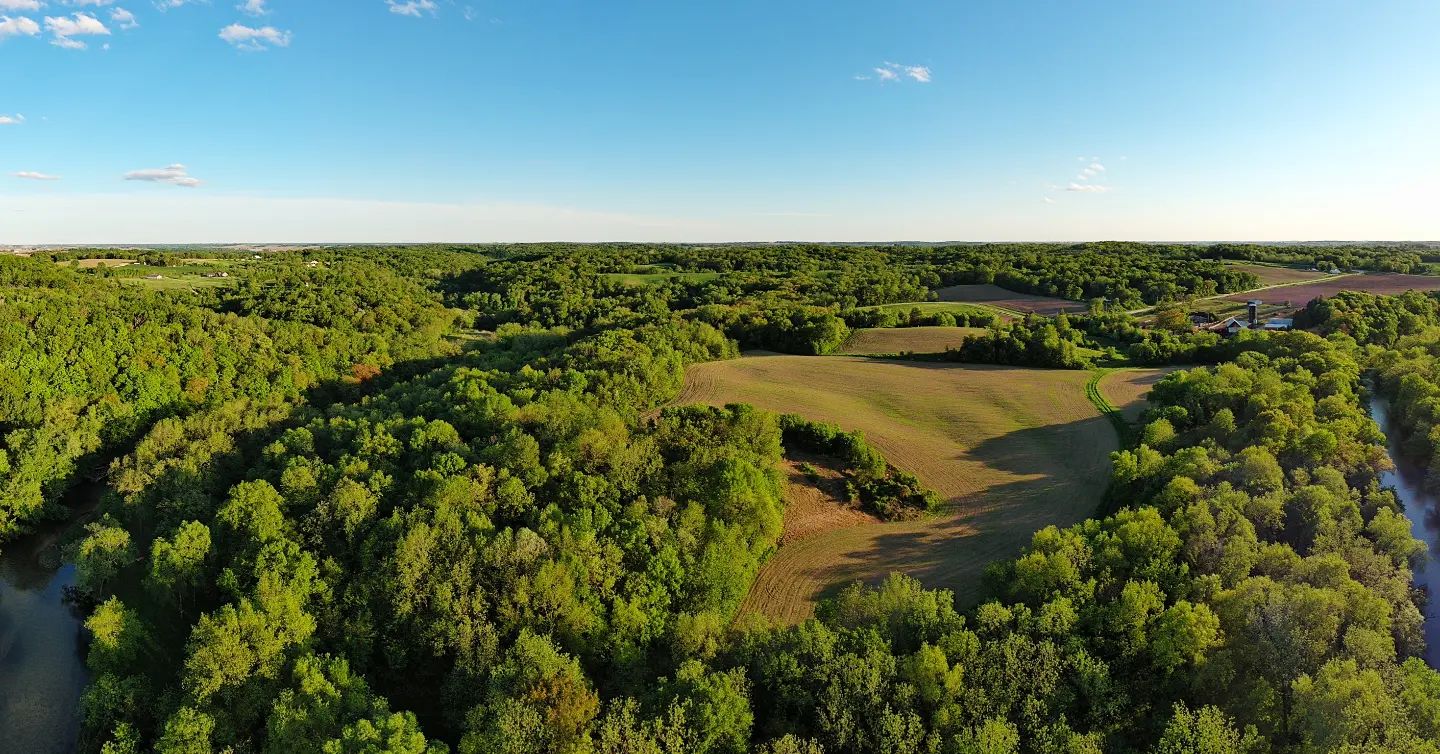
Moreover, Bluffside Forestry employs advanced drone technology to monitor vast forest landscapes. These drones are equipped with sophisticated imaging capabilities that capture high-resolution aerial photographs and videos. This technology allows for continual monitoring of forest conditions, detecting changes more quickly and accurately than traditional methods. Drones also facilitate easier access to remote areas, making it possible to conduct comprehensive inspections without the need for physical presence on the ground.
Another remarkable innovation at Bluffside Forestry is the use of LiDAR (Light Detection and Ranging) technology. By emitting laser pulses, LiDAR generates three-dimensional models of forest areas, providing detailed information on forest canopy structure and ground elevation. This powerful tool aids in assessing forest biomass, estimating carbon stocks, and mapping habitats, all of which are crucial for climate change studies and conservation efforts. The precision of LiDAR technology contributes significantly to responsible forest management practices at Bluffside Forestry.
In addition to these technological advancements, Bluffside Forestry is committed to using state-of-the-art software solutions to facilitate efficient project management and client communication. Their cloud-based platforms consolidate data and streamline operational processes, ensuring that information is easily accessible and shareable among team members. This degree of connectivity enhances collaboration, boosts productivity, and ultimately leads to better client service.
Bluffside Forestry's embrace of technology also extends to its commitment to sustainability. The company utilizes predictive analytics and machine learning to forecast growth patterns and potential pest infestations. By anticipating ecological threats, Bluffside Forestry can implement preventative measures, maintaining the health and resilience of forest ecosystems.
Furthermore, the company actively promotes transparency and accountability through digital platforms that allow clients to track project progress in real-time. Stakeholders can view detailed reports and gain insights into one of Bluffside Forestry's operations, fostering trust and building strong relationships with clients.
In conclusion, Bluffside Forestry exemplifies how the confluence of forestry and technology leads to more effective and sustainable forest management. By leveraging GIS, drones, LiDAR, and advanced software solutions, the company not only enhances its operational efficiency but also plays a crucial role in preserving the ecological balance. These innovations demonstrate Bluffside Forestry's commitment to leading the industry with cutting-edge technology and sustainable practices.
For clients and partners, this dedication translates into services that are not only efficient and reliable but also environmentally responsible. As Bluffside Forestry continues to innovate, it sets a benchmark for how technology can be seamlessly integrated into forestry practices to create a positive environmental impact while meeting the needs of its clients.
/filters:no_upscale()/filters:format(webp)/media/a3b19f47-292e-4b00-b740-40dfe2381139.jpeg)